What Colors Go Well in the Living Room? How to Choose Shades That Support the Room’s Mood

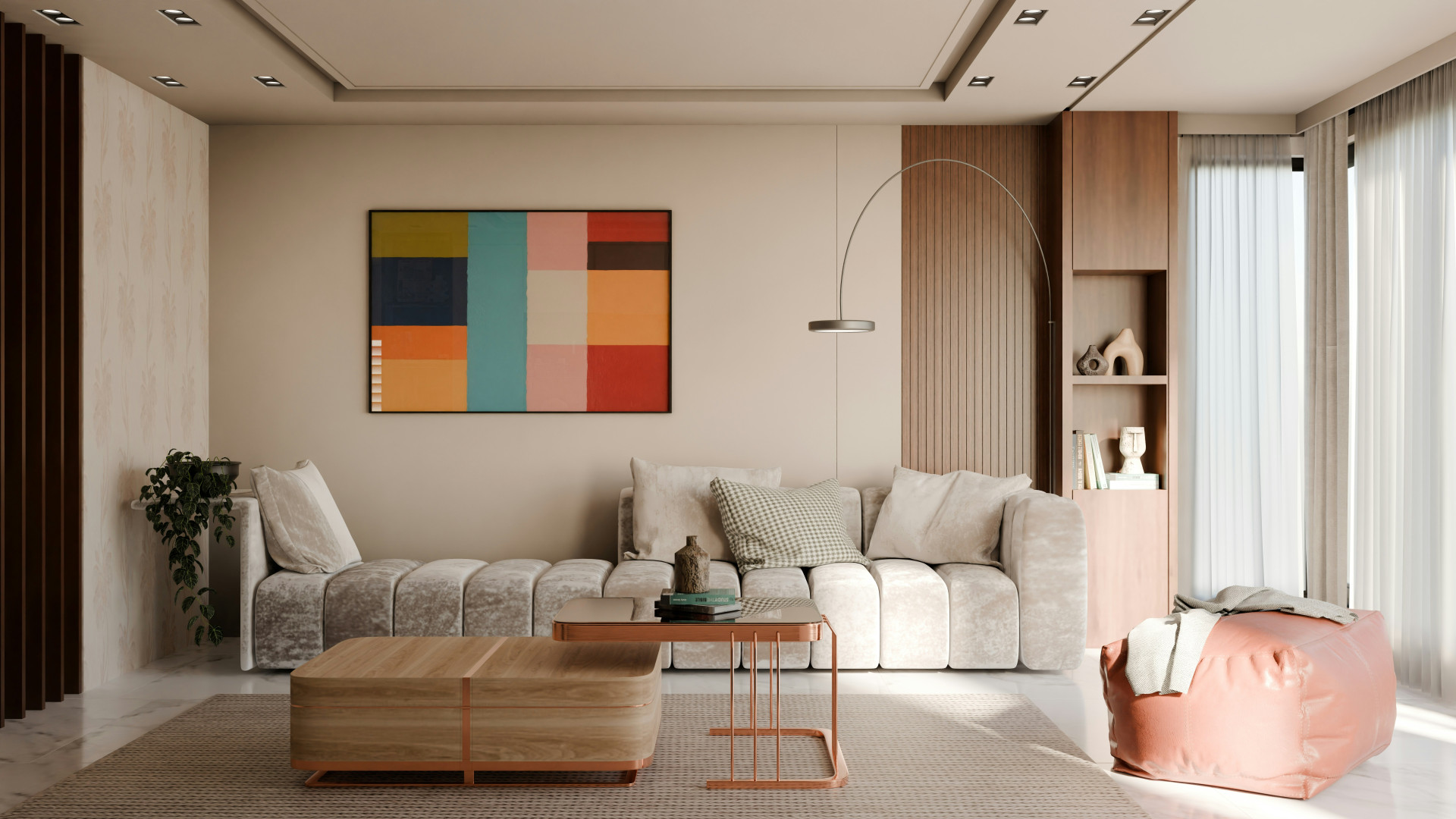
What Colors Go Well in the Living Room? How to Choose Shades That Support the Room’s Mood
Color has a powerful influence on how we experience a space. It shapes the atmosphere, affects how light behaves, and even impacts our mood. In the living room—the heart of most American homes—it’s especially important to choose shades that reflect how you want the space to feel. Here’s a guide to selecting colors that make your living room both inviting and harmonious.
Start with the Room’s Light and Size
Before picking paint or fabrics, take a good look at your living room’s natural light and proportions.
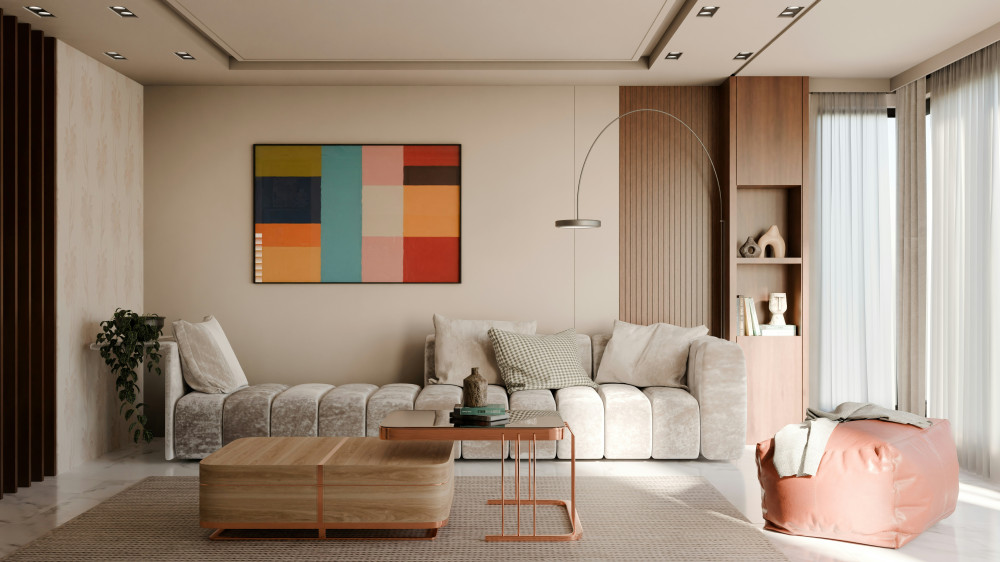
- North-facing rooms often get cooler, dimmer light. Warm tones like sand, terracotta, golden beige, or soft blush can make the space feel cozier.
- South-facing rooms receive plenty of sunlight, so cooler hues like blue, green, or gray can help balance the brightness.
- Small living rooms feel more open with light, reflective colors.
- Large living rooms can handle deeper shades that add depth and comfort.
Pay attention to how the light changes throughout the day. A color that looks warm in the morning might appear cooler under evening light.
Build a Balanced Color Palette
A good rule of thumb is to work with a color palette of two or three main shades, plus a few accents for contrast.
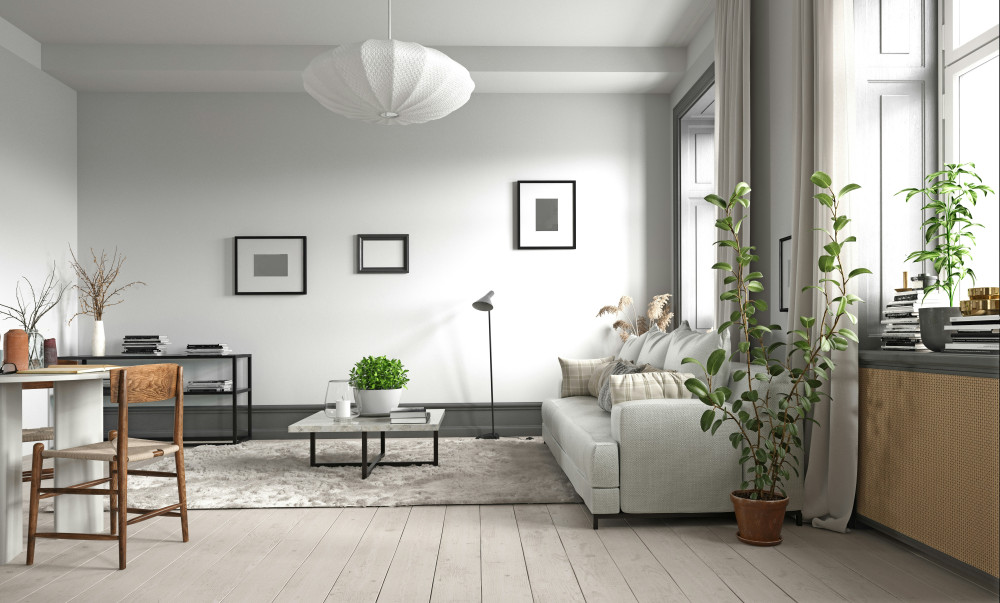
- Neutral bases—white, gray, or beige—create a calm foundation that you can layer with colorful pillows, rugs, or artwork.
- Monochromatic palettes, using different tones of the same color, give a sophisticated, cohesive look.
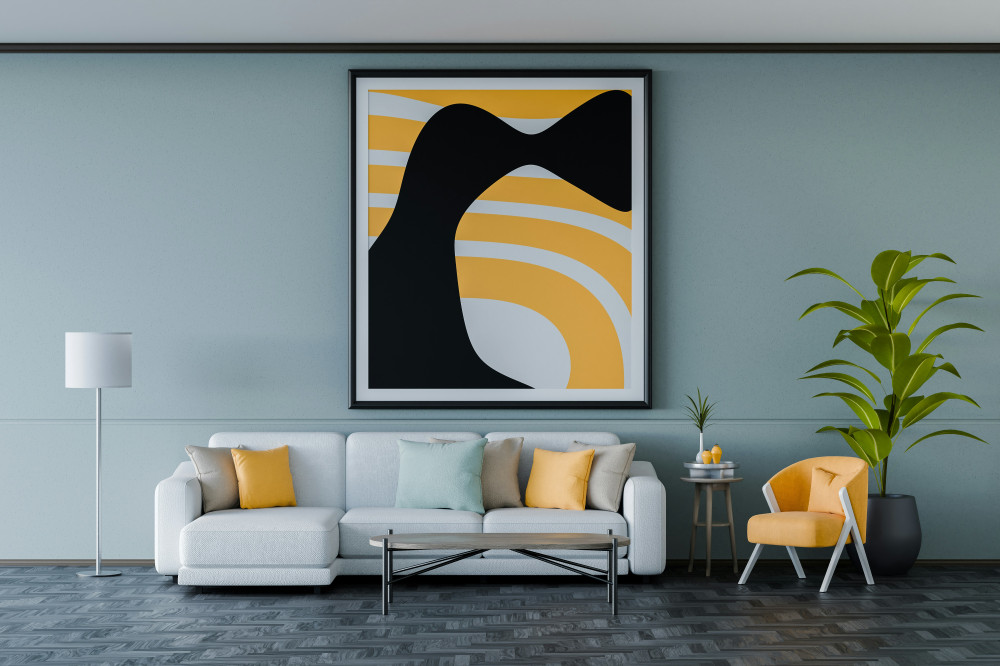
- Contrasts bring energy: try pairing a deep navy wall with brass accents or warm wood furniture.
The goal isn’t perfect matching—it’s harmony. The colors should complement each other and support the mood you want to create.
Læs også:

Color and Mood: What Do You Want to Feel?
Colors evoke emotions, so think about how you want your living room to feel.
- Blue promotes calm and relaxation—ideal for unwinding after a long day.
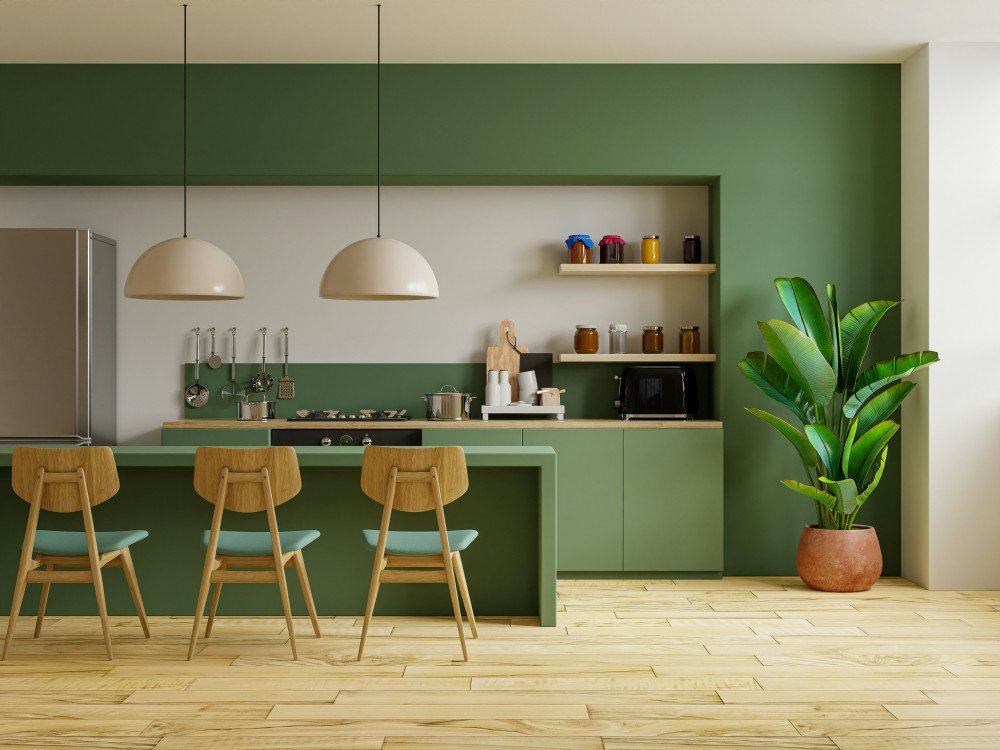
- Green brings balance and a touch of nature indoors.
- Yellow and ochre add warmth and optimism.
- Red and terracotta create energy and intimacy but work best in moderation.
- Gray and beige offer timeless elegance and can be enriched with texture and materials.
Ask yourself: Is your living room a place for quiet evenings, lively gatherings, or both? Let that guide your palette.
Use Materials and Textiles to Support the Colors
Color doesn’t exist in isolation—it interacts with materials, furniture, and fabrics. A dark wall can feel lighter when paired with airy curtains and natural materials like wood, linen, or wool.
Rugs, throws, and cushions are great ways to introduce color without committing to paint. They’re easy to swap out when you want a seasonal refresh or a new look.
If you’re unsure, start with neutral walls and bring in color through accessories. It’s flexible and allows you to evolve your style over time.
Create Flow with the Rest of Your Home
Even though the living room stands on its own, it should still connect visually with the rest of your home. Repeat certain colors or materials—like a wood tone, a fabric color, or a metal finish—to create continuity.
In open-concept spaces, it’s especially important that colors transition smoothly between zones. Using different shades of the same color can add variety without breaking the overall harmony.
Experiment—and Trust Your Instincts
Color is personal, and there are no strict rules. What matters most is that you feel comfortable in your space.
Test paint samples directly on the wall and observe them in different lighting throughout the day. You’ll get a much truer sense of how the color behaves than from a small swatch.
And remember: your living room doesn’t need to look like a showroom—it should feel like home. When your colors reflect your personality and create the mood you love, you’ve found the perfect palette.
Læs også: