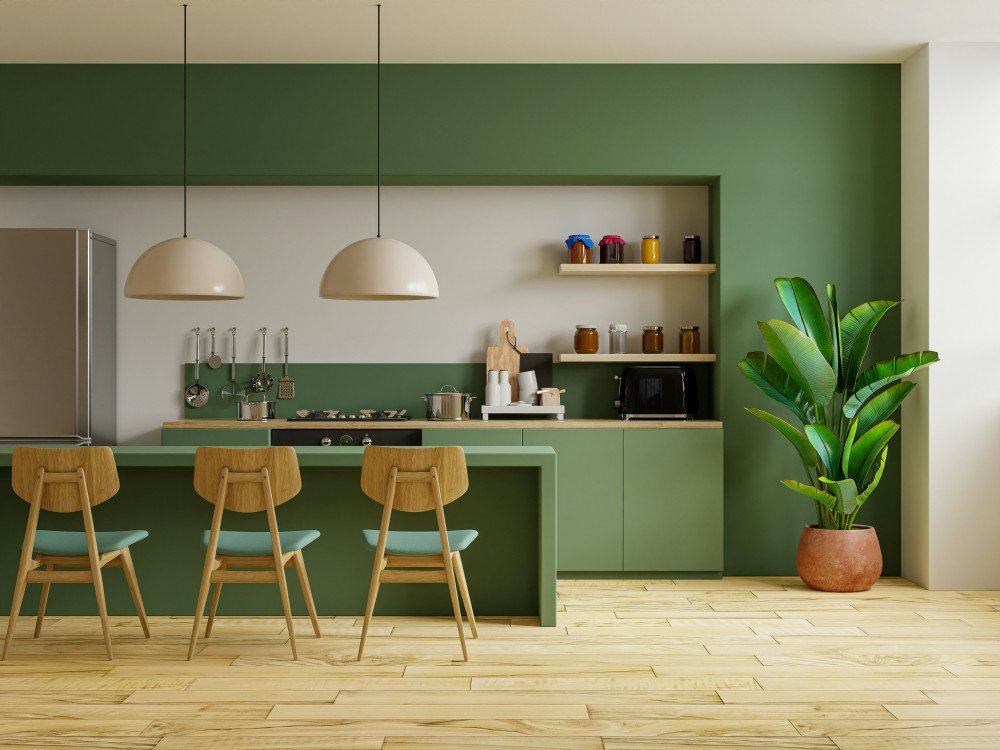
Practical and Beautiful Home: Create Cohesion Throughout Your House

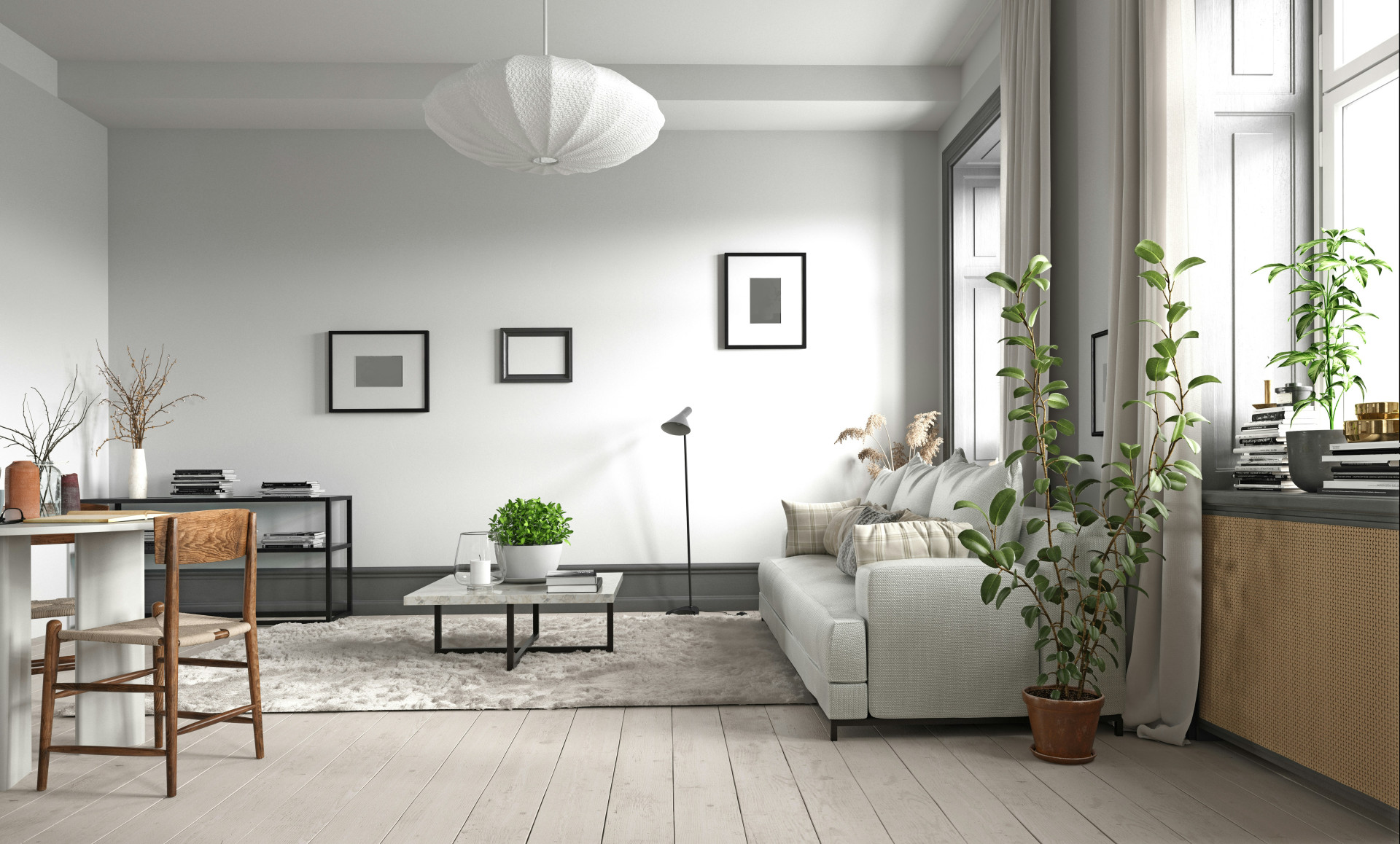
Practical and Beautiful Home: Create Cohesion Throughout Your House
A home feels most inviting when beauty and function work together. It’s not just about picking the right furniture or paint colors—it’s about creating a sense of flow that ties every room together, both visually and practically. Whether you live in a city apartment or a suburban house, a few thoughtful choices can help you design a home that’s both comfortable and cohesive.
Start with the Big Picture
When decorating, it’s tempting to focus on one room at a time. But if you want your home to feel unified, it helps to think of it as one connected space. Consider how colors, materials, and moods can transition naturally from room to room.
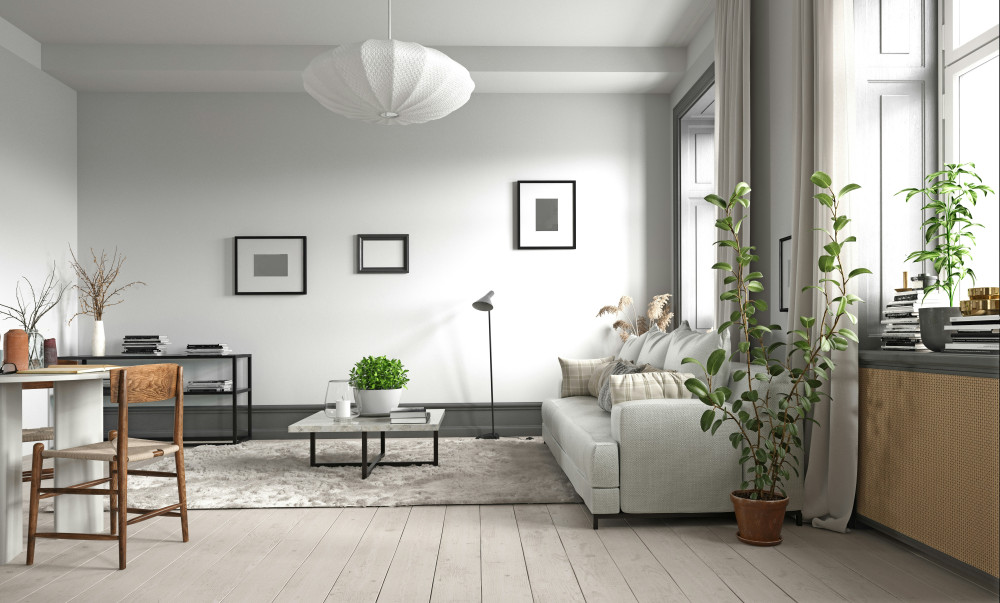
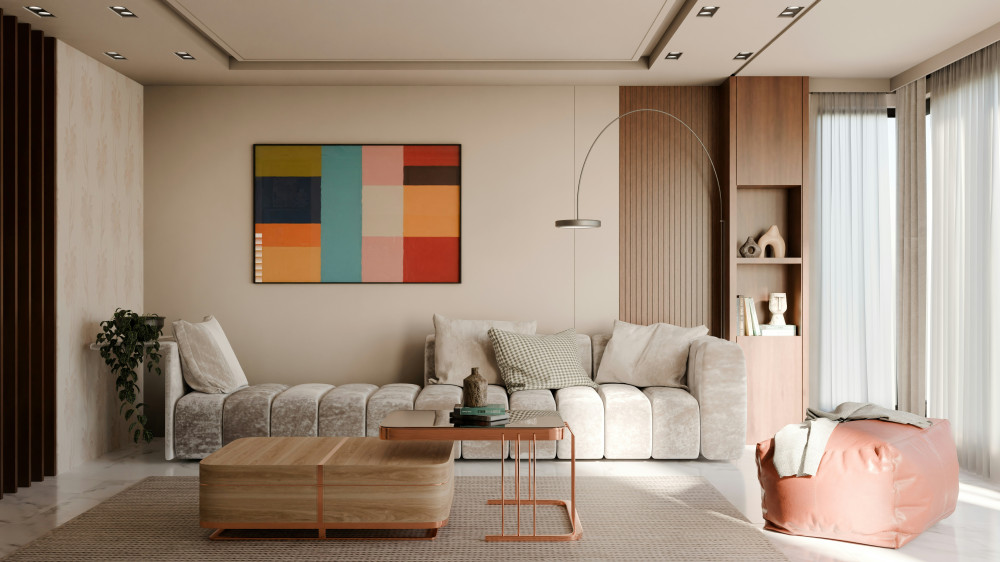
Begin by choosing an overall color palette that you can vary in tone and intensity. This creates harmony without making every room look identical. Repeat certain materials—like wood finishes, metals, or fabrics—throughout your home to establish continuity.
Balancing Function and Style
A beautiful home should also make everyday life easier. That means your design choices should support how you live, not complicate it. Think about how you use each space and let those needs guide your layout and furniture choices.
- Stylish storage: Built-in cabinets, under-bed drawers, or decorative baskets can keep clutter out of sight while maintaining a clean look.
- Flexible furniture: A dining table with leaves or a sleeper sofa can make small spaces more versatile.
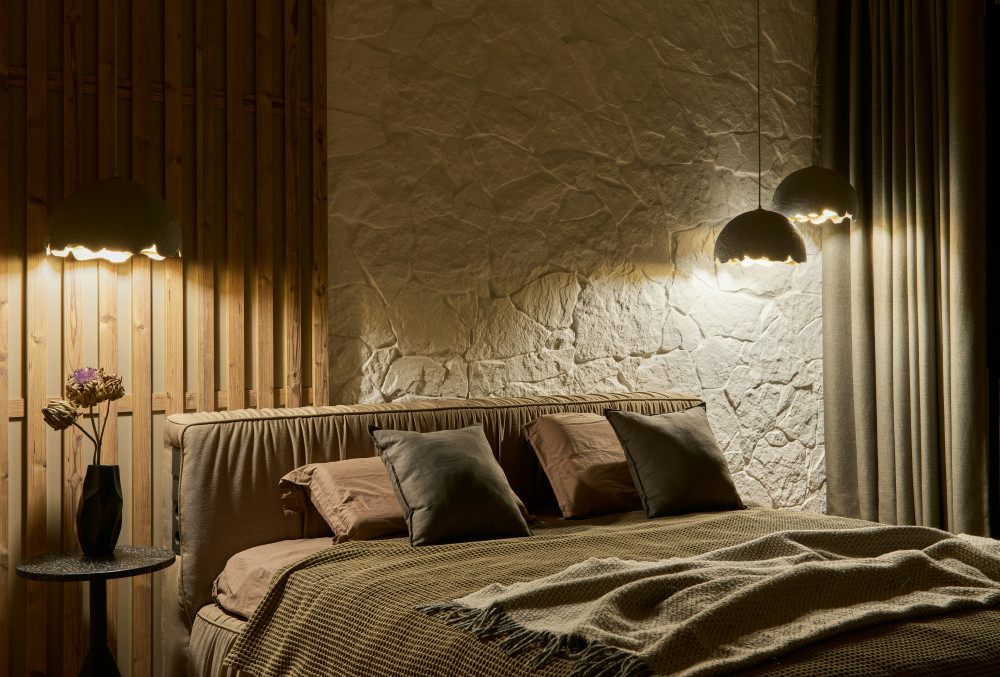
- Layered lighting: Combine overhead lights, table lamps, and accent lighting to create both practical and cozy illumination.
Once the functional elements are in place, you can focus on the aesthetic details—colors, textures, and personal touches that give your home character.
Create Flow Between Rooms
Cohesion is also about movement. The way you move through your home affects how connected it feels. Make sure furniture placement allows for natural pathways and that transitions between rooms feel intentional.
Use flooring, wall colors, or lighting to emphasize the flow between spaces. A consistent hardwood floor or matching door hardware can subtly tie rooms together. If each room serves a different purpose, introduce variety through textiles or artwork while maintaining a shared tone or theme.
Add Personality with Intention
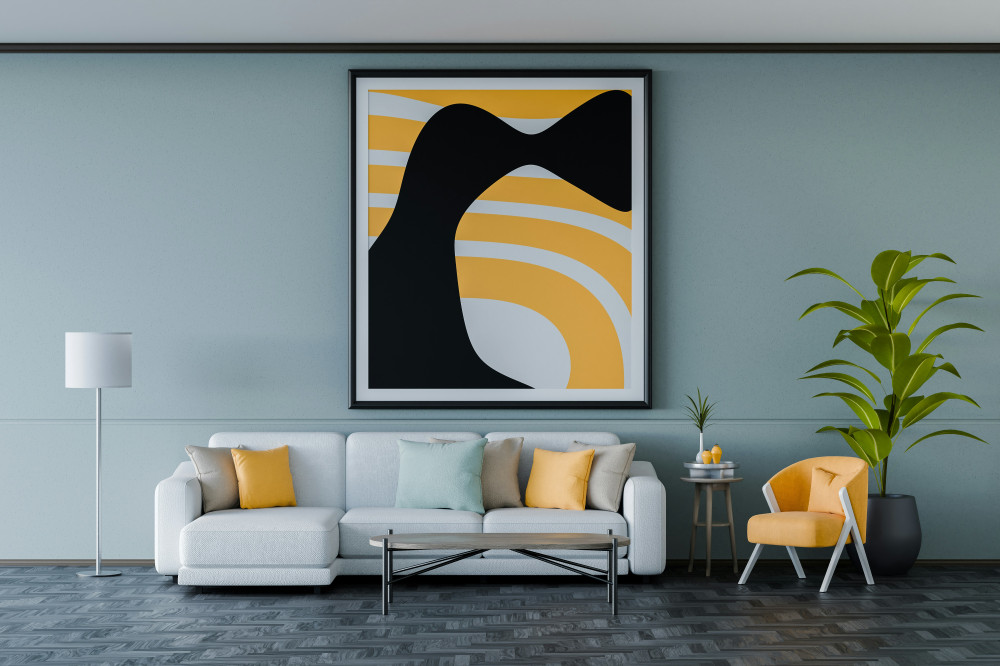
Your home should reflect who you are, but too many competing styles or colors can feel chaotic. Instead, highlight a few meaningful pieces—a family heirloom, a favorite painting, or a collection of books—that tell your story.
Plants, textiles, and framed photos are great ways to add warmth and personality without disrupting the overall harmony. Repetition helps: if you have greenery in the living room, add a few smaller plants in the kitchen or bathroom to create a natural rhythm throughout your home.
Small Details, Big Impact
Often, it’s the little things that make a home feel thoughtfully designed. Match the finish of your picture frames to your door handles, use consistent lightbulb tones, or choose candles and fabrics that create a recognizable atmosphere.
Even practical items—like storage bins, hooks, or kitchen tools—can contribute to your home’s aesthetic if you select them with an eye for design. Think of everyday functions as part of your décor, not something to hide away.
Læs også:
A Home That Grows with You
A cohesive home isn’t static—it evolves with your life. As you rearrange furniture, repaint walls, or swap out textiles, you can maintain harmony by sticking to a few core principles: balance, repetition, and functionality.
That way, your home remains both beautiful and livable—a place where everything feels connected, yet flexible enough to grow and change with you.
Læs også: