Future-Proof Home: How to Prepare Your House for Sustainable Trends

Future-Proof Home: How to Prepare Your House for Sustainable Trends
Sustainability is no longer just a buzzword—it’s a necessity shaping how Americans live, build, and renovate. From energy efficiency and material choices to smart technology and water conservation, the homes of tomorrow are designed to be greener, smarter, and more resilient. But how can you prepare your home for the sustainable trends already transforming the housing market? Here’s how to future-proof your home—for the planet and your wallet.
Think Energy—Think Long Term
Energy use is one of the most impactful areas to address when making your home more sustainable. New technologies make it easier than ever to cut both your carbon footprint and your utility bills.
- Insulation and windows: Upgrading insulation and installing energy-efficient windows can dramatically reduce heat loss and improve comfort. It’s an investment that pays off through lower energy costs and increased home value.
- Heat pumps: More homeowners are switching from gas or oil furnaces to electric heat pumps. They’re highly efficient, work in most U.S. climates, and can be paired with solar panels for even greater savings.
- Solar energy: Solar panels have become more affordable and efficient. Federal tax credits and state incentives make them an attractive option for homeowners looking to generate their own clean power.
Consider adding a smart energy management system that automatically adjusts heating, cooling, and lighting based on your habits. It’s a simple way to boost comfort while saving energy.
Choose Materials That Last and Care for the Planet
When remodeling or building, the materials you choose have a lasting impact on both the environment and your indoor air quality.
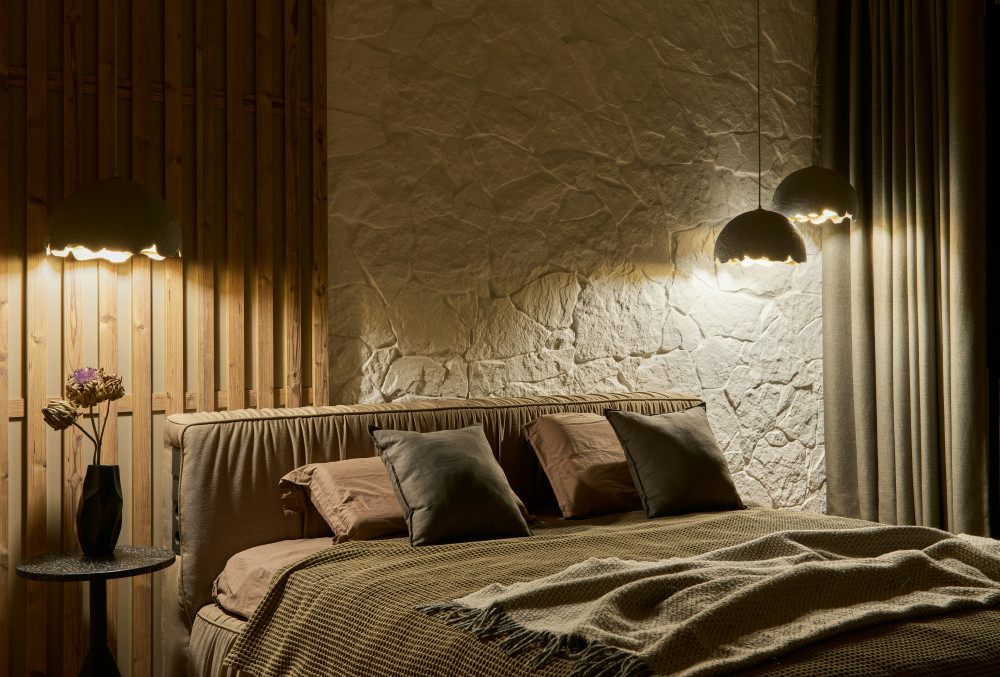
- Natural materials like wood, bamboo, and clay are renewable, durable, and add warmth to your home’s design.
- Reclaimed and recycled materials—from barn wood to salvaged bricks—add character while reducing waste.
- Low-VOC paints and certified products help maintain healthy indoor air and support responsible manufacturing.
Durability is key: materials that last decades reduce the need for replacements and minimize waste over time.
Design with a Green Mindset
Sustainability isn’t just about technology—it’s also about how you live and decorate.
- Buy fewer, better items. Quality furniture and fixtures last longer and reduce consumption.
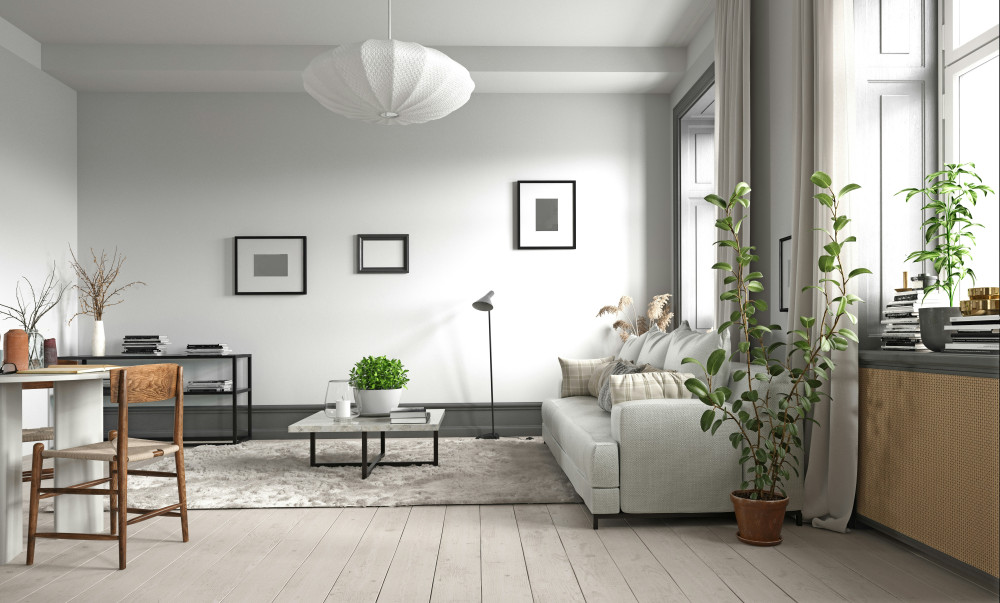
- Add plants. They purify the air, regulate humidity, and bring life to your space.
- Use LED lighting and motion sensors to cut electricity use without sacrificing comfort.
Think about flexible spaces that can adapt to changing needs—like a home office that doubles as a guest room. Adaptable design reduces the need for major renovations later.
Water and Waste: The Hidden Resources
Water conservation and waste reduction are often overlooked but can make a big difference in sustainability.
- Install low-flow faucets and showerheads to save water without losing pressure.
- Collect rainwater for garden use or lawn irrigation.
- Compost food scraps and yard waste to reduce landfill contributions and enrich your soil.
- Recycle smartly. Many U.S. cities now offer curbside recycling and composting programs—take advantage of them.
Small changes in daily habits can add up to significant environmental benefits.
Læs også:
Smart Technology for a Greener Lifestyle
Smart home technology isn’t just convenient—it’s a powerful tool for sustainability.
- Smart thermostats learn your schedule and adjust temperatures automatically.
- App-controlled lighting ensures you never leave lights on unnecessarily.
- Energy monitoring systems show where you’re using the most power, helping you make informed choices.
Many of these systems can be integrated into existing homes, making it easy to take incremental steps toward a more efficient lifestyle.
An Investment in the Future
Making your home sustainable isn’t just about doing the right thing—it’s also a smart financial move. Energy-efficient upgrades can lower monthly bills, increase property value, and make your home more attractive to future buyers.
By investing in sustainability, you’re not only protecting the environment—you’re creating a home that’s resilient, adaptable, and ready for the future. The future-proof home isn’t necessarily new; it’s thoughtful, efficient, and built on conscious choices. And the best time to start is now.
Læs også: