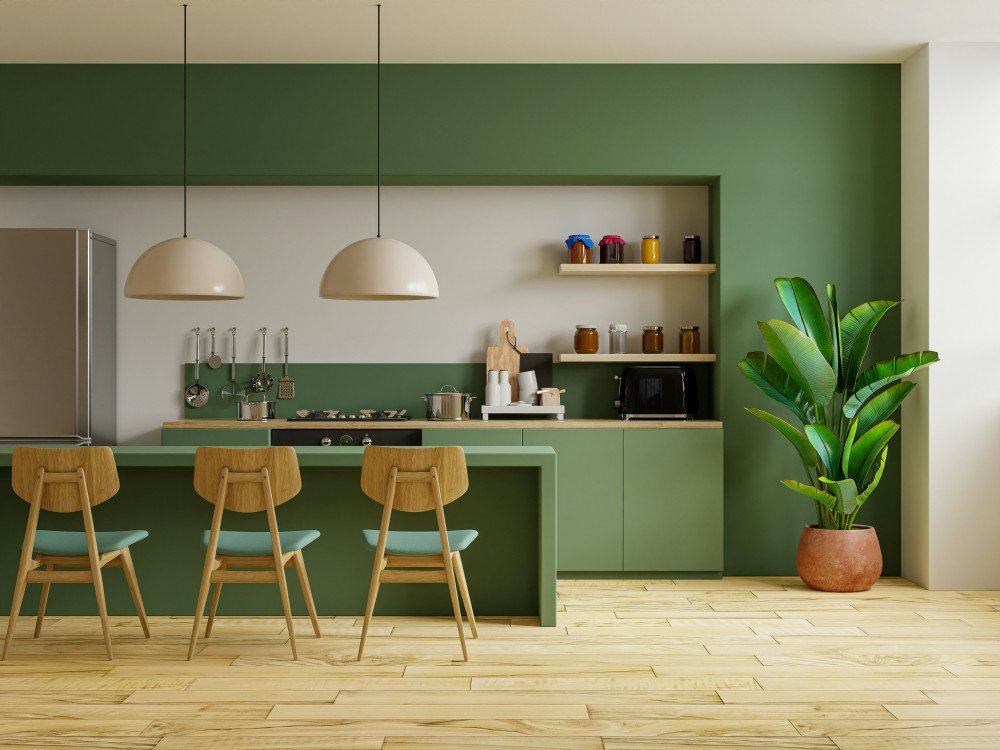
Colors as the Common Thread: Create Cohesion in Your Home When You Move or Redecorate

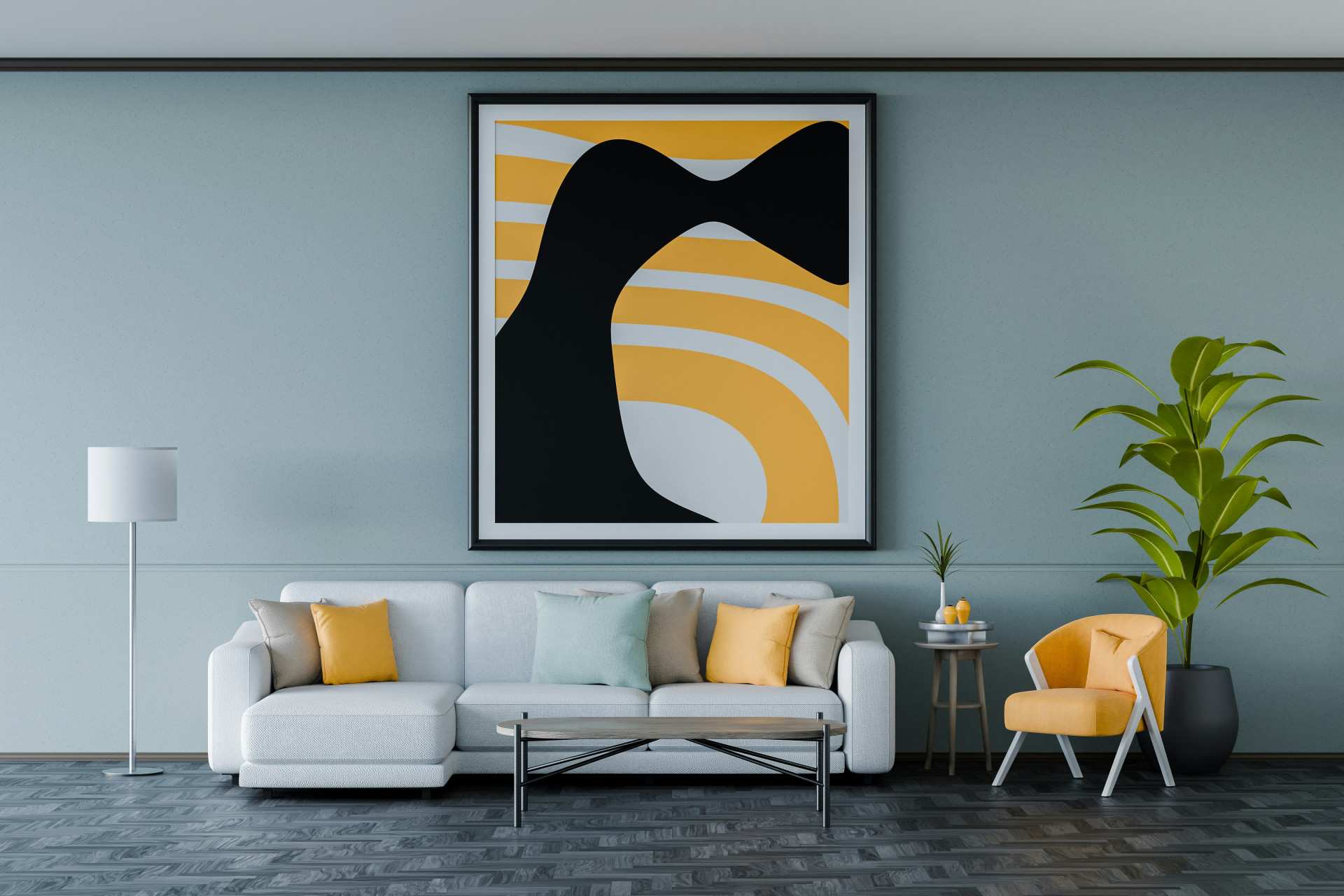
Colors as the Common Thread: Create Cohesion in Your Home When You Move or Redecorate
Moving into a new home or giving your current space a makeover can be both exciting and overwhelming. With furniture, décor, and personal items coming together from different places, it’s easy for things to feel disjointed. That’s where color comes in. A thoughtful color palette can act as the common thread that ties your home together, creating a sense of flow and harmony from room to room.
Why Color Matters
Color influences how we feel in a space—it can make a room feel larger, cozier, calmer, or more energetic. When you choose a cohesive color palette, you create visual unity that makes your home feel intentional and balanced. Whether you live in a downtown apartment or a suburban house, color can help your space feel connected and complete.
A defined palette also simplifies decorating decisions. When you know your base and accent colors, it’s easier to choose furniture, rugs, and accessories that fit your vision—and to avoid impulse buys that disrupt the overall look.
Start with a Base Color
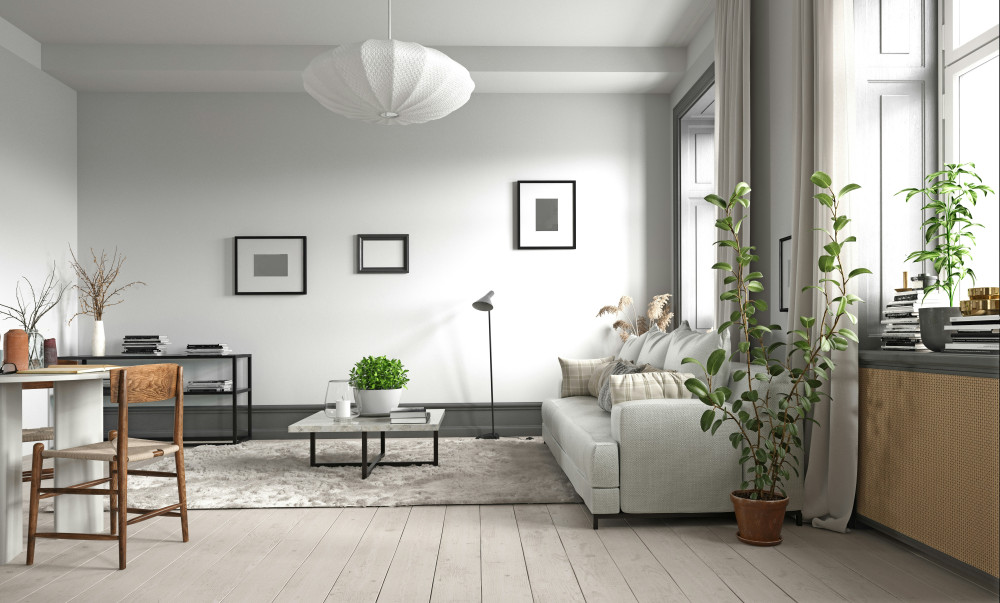
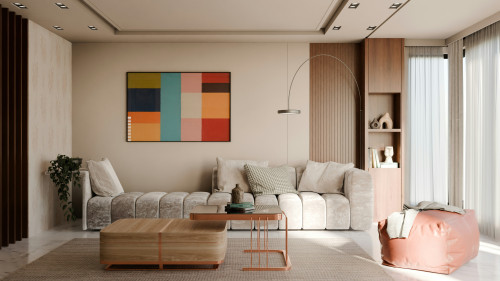
Begin by selecting one main color that will serve as the foundation for your home. This doesn’t have to be bold or dominant—neutral tones like white, beige, gray, or soft greige often work best as a base. These shades create a calm backdrop and allow your accent colors to shine.
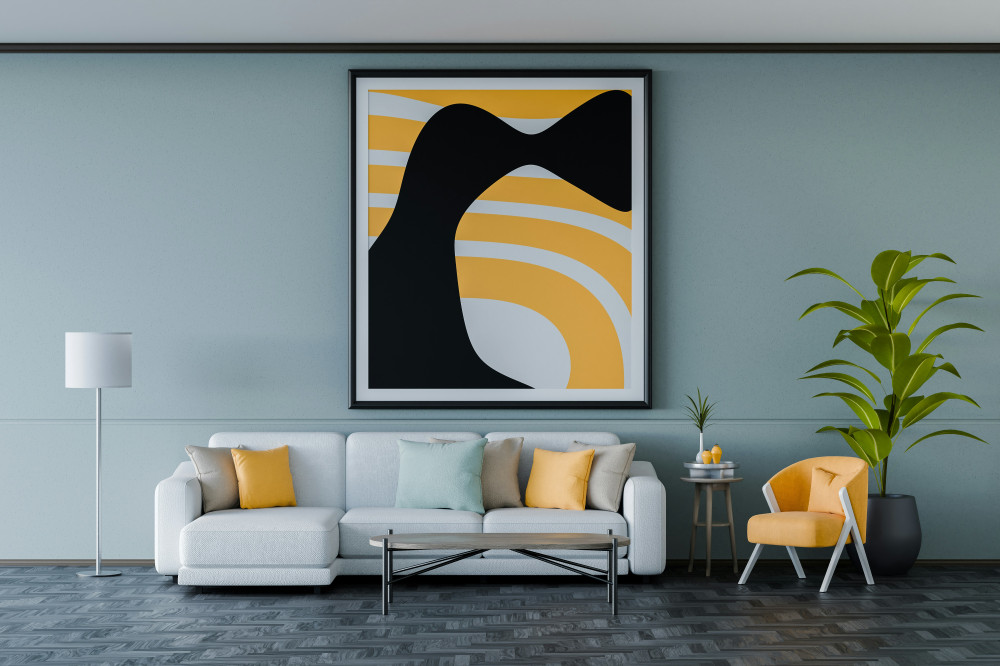
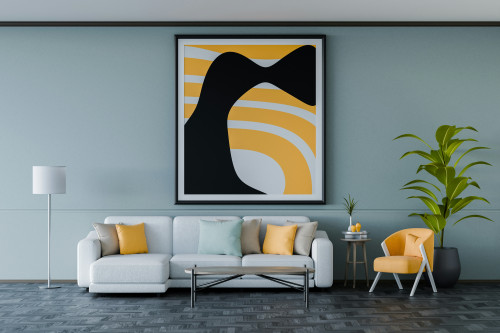
Once you’ve chosen your base, layer in accent colors that reflect your personality. Maybe it’s a deep navy, a warm terracotta, or a muted sage green. Use these accents in throw pillows, artwork, or smaller furniture pieces to create continuity without overwhelming the space.
Add Depth with Shades and Textures
Using the same colors throughout your home doesn’t mean every room has to look identical. You can create variety by playing with different shades, tones, and materials.
For example, if blue is your connecting color, you might use a rich navy in the living room, a dusty blue in the bedroom, and a pale sky blue in the bathroom. This approach keeps the palette cohesive while giving each room its own character.
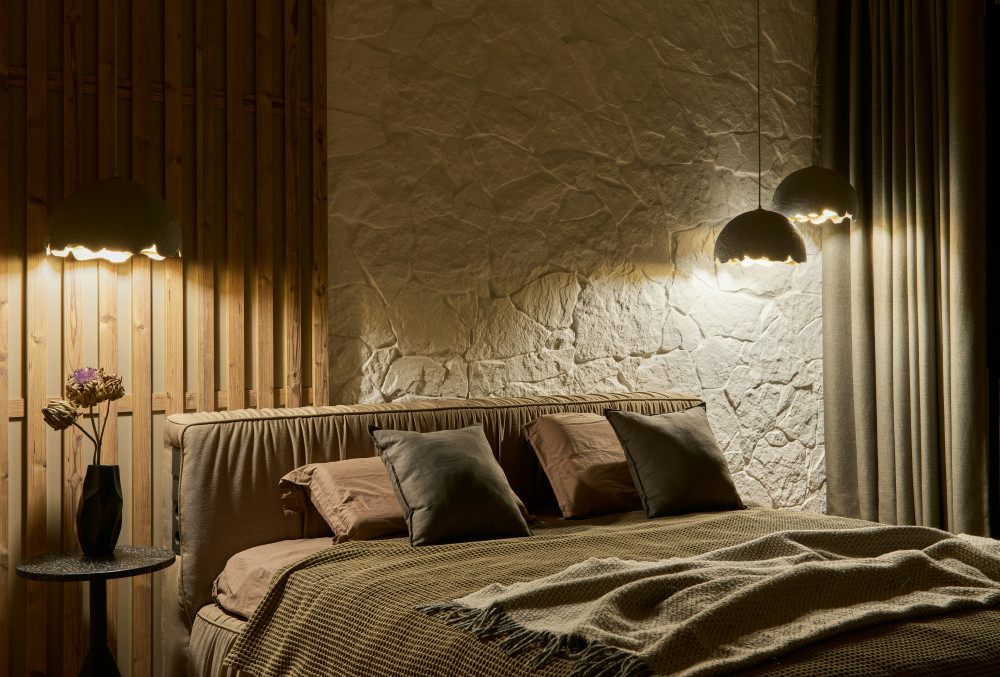
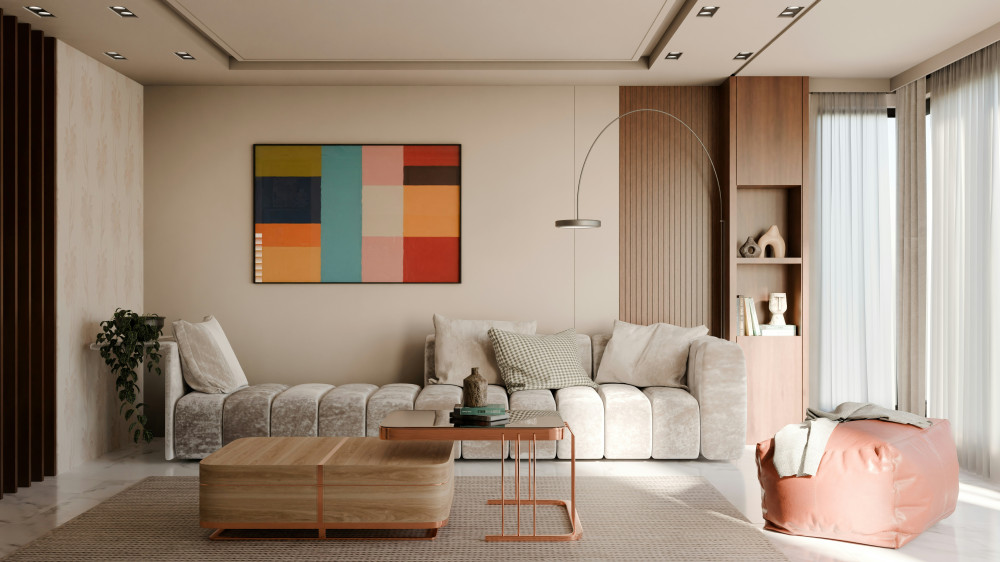
Texture also adds dimension. A color can look completely different on velvet, linen, or wood. Mixing materials—like a woven rug, a ceramic vase, and a leather chair in similar hues—adds visual interest and warmth.
Create Flow Between Rooms
As you move through your home, the transition from one room to the next should feel natural. You can achieve this by repeating a color element from one space in another. For instance, if your living room features green plants and natural wood tones, bring a touch of that green into the hallway with a piece of art or a patterned runner.
This repetition creates a visual rhythm that makes your home feel connected, even if each room has its own purpose and style.
Consider the Light
Lighting can dramatically change how colors appear. A north-facing room might make colors look cooler, while a south-facing space can bring out warmer tones. Before committing to a paint color, test samples on your walls and observe them at different times of day under both natural and artificial light. This small step ensures your colors look harmonious throughout your home.
Let Your Personality Shine
While color can bring structure and calm, your home should still reflect who you are. Don’t be afraid to include personal touches—a vintage chair, a bold piece of art, or a family heirloom in a contrasting hue. These details add character and make your space feel truly yours.
The goal isn’t to follow a strict color formula but to find a balance between consistency and individuality. Once you have a cohesive base, you can experiment freely without losing the overall harmony.
Læs også:
A Home That Feels Whole
Using color as the common thread isn’t just about aesthetics—it’s about creating a home that feels unified, peaceful, and personal. When your colors flow naturally from room to room, your space tells a story about you and the life you’re building there.
So, the next time you move or redecorate, let color be your guide. It’s the invisible link that connects your home—one shade, one room, one moment at a time.
Læs også: