Winter and Kids’ Clothing: How to Choose the Right Size for Layering

Winter and Kids’ Clothing: How to Choose the Right Size for Layering
When the temperature drops and winter sets in, dressing kids properly becomes essential. The layering principle is one of the best ways to keep them warm and dry—but finding the right size for multiple layers can be tricky. Clothes that are too tight restrict movement, while oversized pieces can let in cold air. Here’s a guide to choosing the right fit and size so your child can move freely and stay cozy all winter long.
Understanding the Layering Principle
Layering means combining clothing items that each serve a specific purpose:
- Base layer: Wicks moisture away from the skin. Merino wool or moisture-wicking synthetics work best.
- Middle layer: Provides insulation and retains warmth. Fleece, wool, or lightweight down are good options.
- Outer layer: Shields against wind, rain, and snow. This is your child’s winter coat, snowsuit, or shell jacket.
When these layers work together, they create a flexible system that can be adjusted to the day’s weather and your child’s activity level. But for the system to work, the sizes must complement each other.
Start with the Base Layer
The base layer should fit snugly against the skin without feeling tight. If it’s too loose, moisture can get trapped, making your child feel cold. Choose the size your child normally wears in underwear or pajamas, and remember that wool tends to stretch slightly with use.
A quick test: have your child raise their arms above their head. If the shirt rides up too far, it’s too short. The pants should move comfortably without pinching at the waist.
The Middle Layer: Warmth and Mobility
The middle layer’s job is to trap heat while allowing freedom of movement. A little air between layers helps with insulation, so don’t size down too much. Pick a size that fits comfortably over the base layer but doesn’t bunch up under the outerwear. If sleeves wrinkle or fabric gathers awkwardly, it may be too bulky.
It’s a good idea to bring your child along when shopping. Let them bend, stretch, and lift their arms—if they can move easily, the fit is right.
The Outer Layer: Coat or Snowsuit?
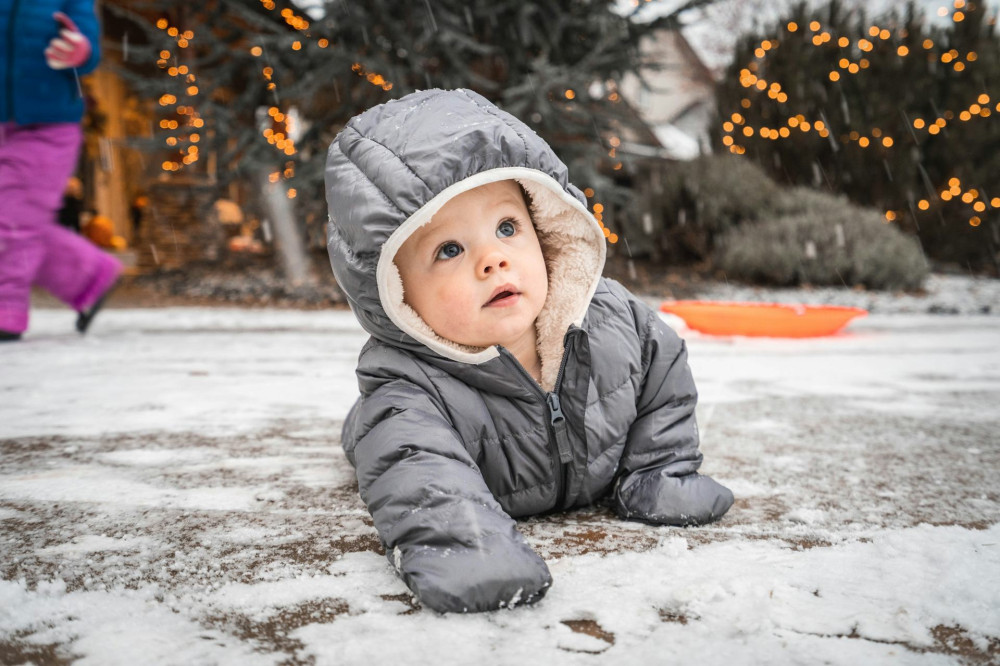
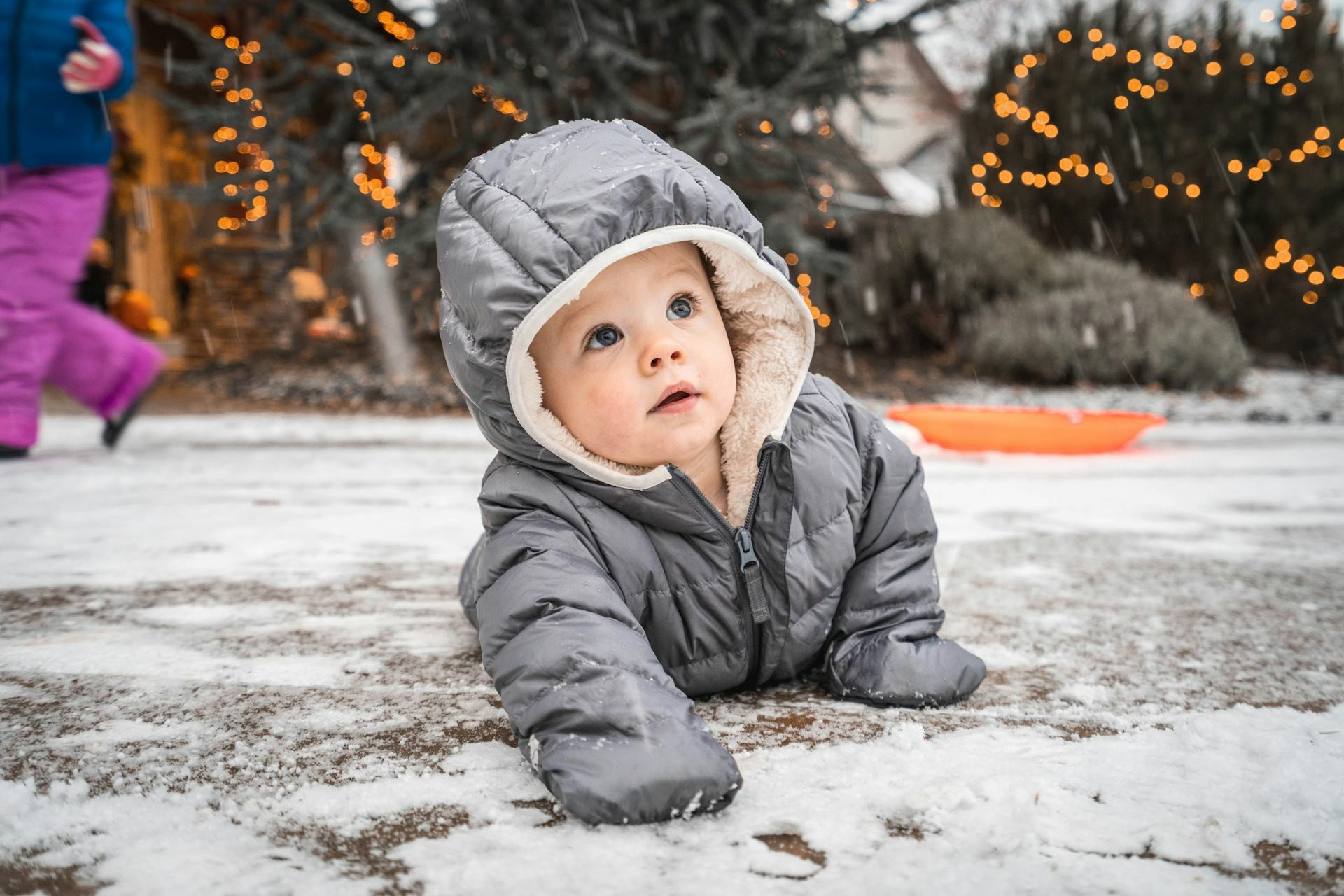
When choosing outerwear, consider how many layers will go underneath. A snowsuit should have a bit of extra room, but not so much that your child “swims” in it. A good rule of thumb: when your child is wearing their base and middle layers, you should be able to fit two fingers between their shoulder and the snowsuit.
If you prefer a two-piece set, make sure the jacket overlaps the snow pants well and that the waistband isn’t too tight. Many U.S. brands list both height and age on size charts—always go by height, since kids grow at different rates.
Think About Growth and the Season
Kids grow fast, and it’s tempting to buy a size up. That can work, but be careful—clothes that are too big can limit movement and make it harder to stay warm. A smart compromise is to choose a size that fits now but has a little extra length in the sleeves and pant legs. Many winter coats and snowsuits have adjustable cuffs or internal suspenders to extend their lifespan.
If you buy winter gear early in the season, try it on again when the cold really hits—kids can grow several inches in just a few months.
Small Details That Make a Big Difference
When checking fit, pay attention to:
- Sleeve length – should cover the wrist but not hang over the hand.
- Pant length – should reach over the top of boots without riding up when sitting.
- Hood and collar – should move comfortably when your child turns their head.
- Zippers and seams – should not press or rub when multiple layers are worn together.
These small details can make a big difference in how comfortable your child feels outdoors.
Læs også:


Try the Whole Outfit Together
The best advice is to test all the layers together before removing tags. This way, you can see how the pieces move and fit as a system. Have your child jump, run, and squat—if anything pulls, rides up, or feels tight, you’ll notice right away.
An Investment in Comfort and Play
Choosing the right size for layering isn’t just about comfort—it’s about making sure your child can play, explore, and stay warm without overheating or getting damp. When the clothes fit well, winter becomes less about battling the cold and more about building snowmen, sledding down hills, and enjoying the season to the fullest.
Læs også: