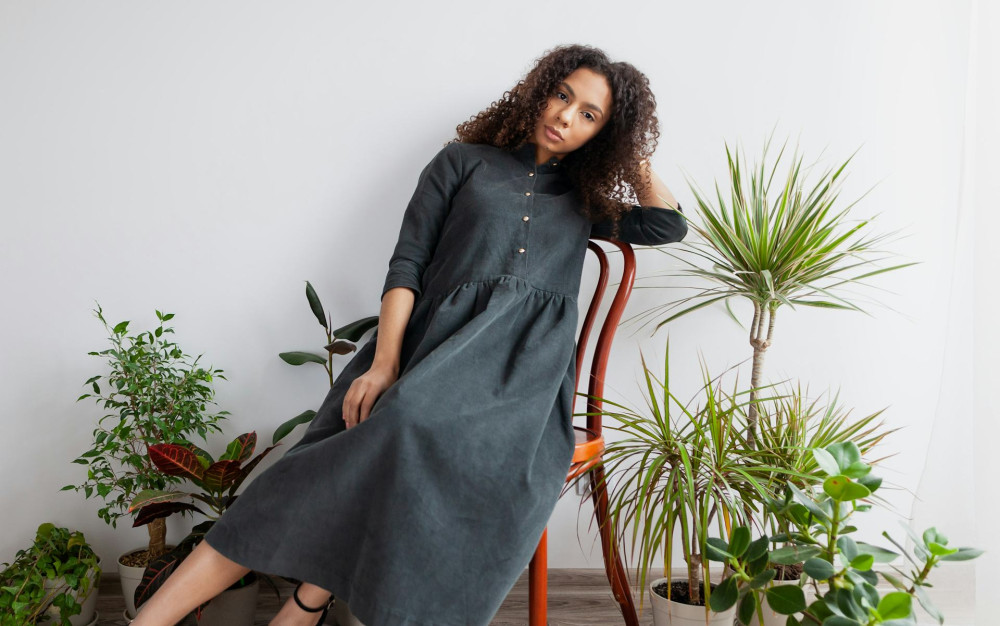
Danish Children’s Clothing Design: Where Nordic Tradition Meets Global Style

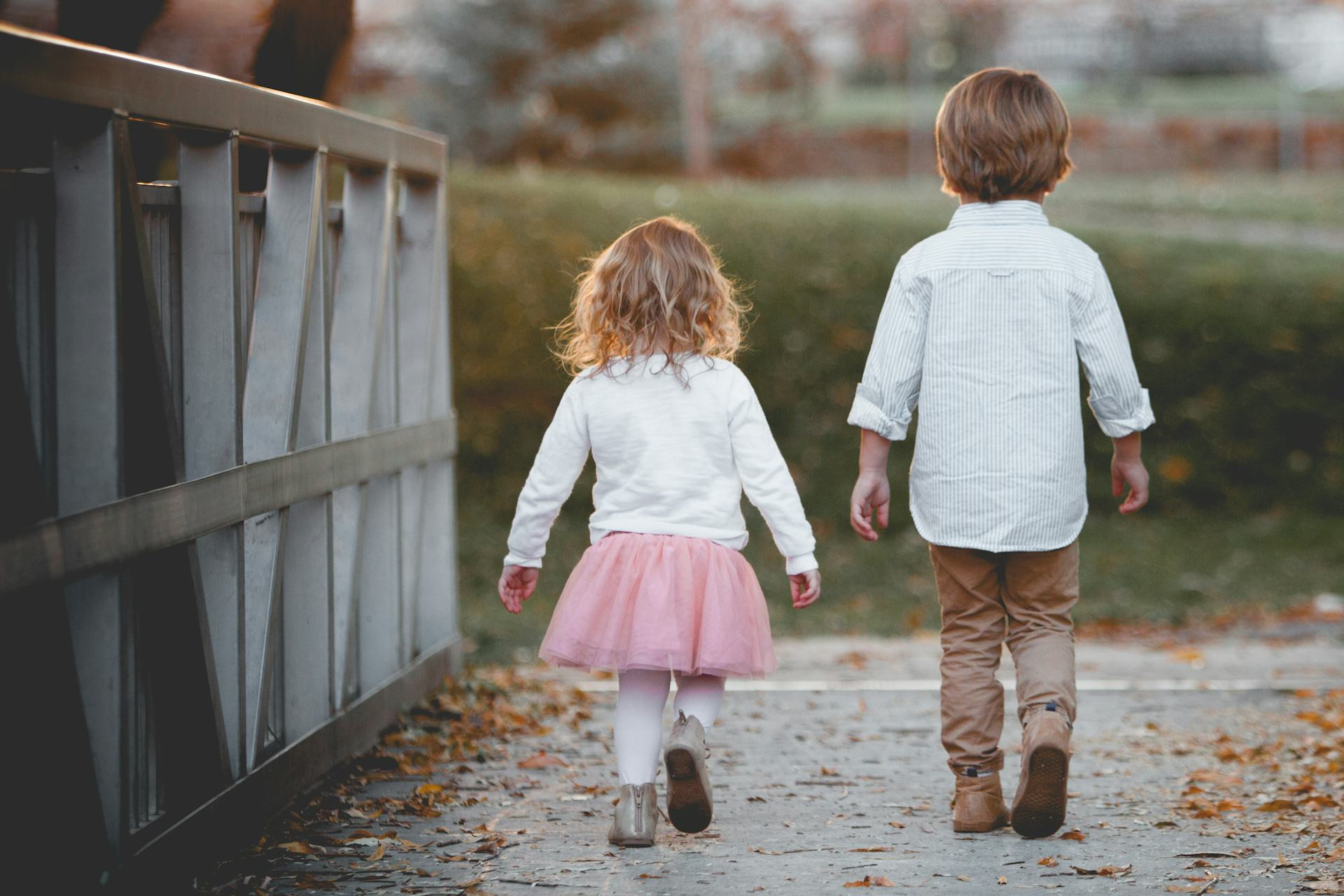
Danish Children’s Clothing Design: Where Nordic Tradition Meets Global Style
Over the past few decades, Danish children’s clothing design has quietly become a global success story. Rooted in Nordic minimalism and a deep respect for quality and functionality, Danish designers have created clothing that speaks to parents’ practical needs while celebrating children’s freedom to move, play, and explore. At the same time, they have embraced global influences—new colors, patterns, and sustainable materials—resulting in a distinctive blend of tradition and innovation that resonates far beyond Scandinavia.
Functionality as a Foundation
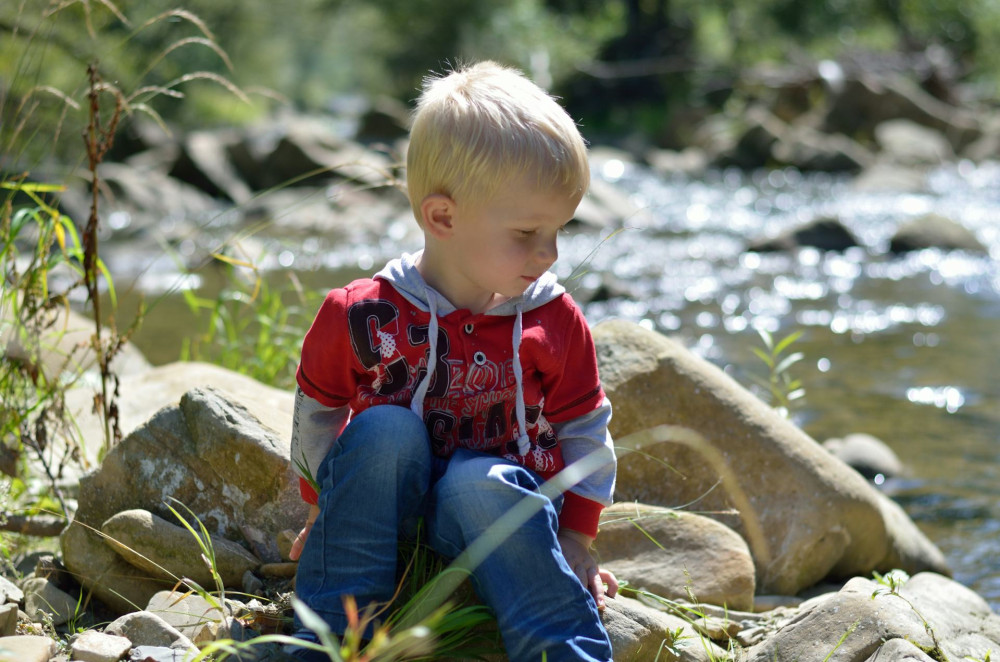
One of the hallmarks of Danish kidswear is its focus on functionality. It’s not just about looking good—it’s about clothes that work in everyday life: at daycare, on the playground, or during a family hike. Brands such as Molo, Mini A Ture, and Wheat have built their reputations on creating garments that can withstand active play without compromising on style.
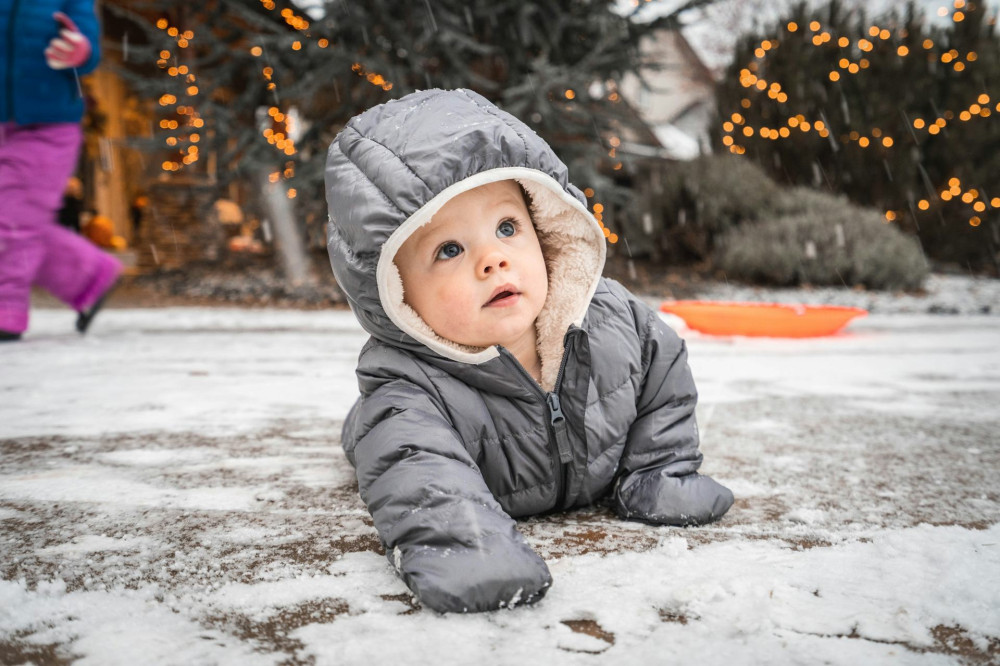
Materials are central to this philosophy. Organic cotton, wool, and recycled fibers are now standard in many collections, while technical details—like water-repellent coatings, adjustable fits, and reinforced seams—make the clothes both practical and durable. This approach reflects the Danish design tradition, where form and function are inseparable.
Læs også:

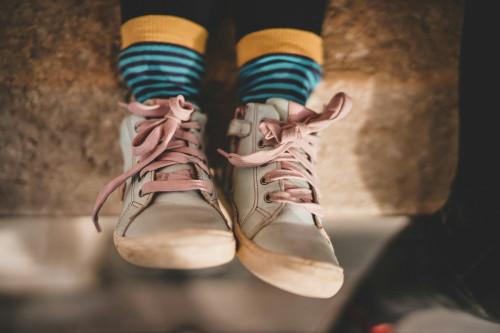
Colors, Patterns, and Imagination
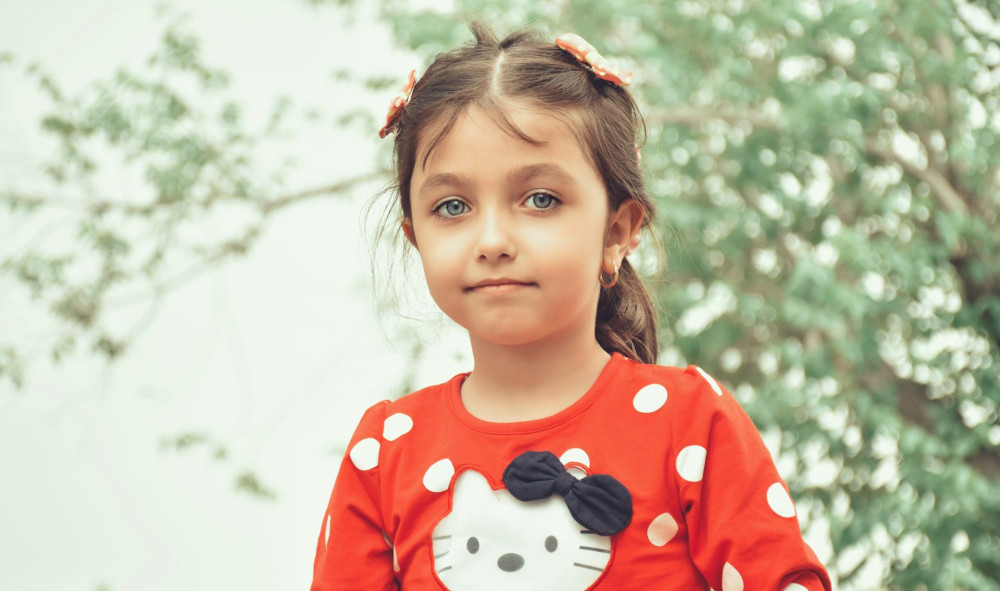
While Danish design is often associated with muted tones and minimalist aesthetics, children’s fashion has shown that Nordic simplicity can coexist with creativity and playfulness. Many Danish brands use prints that tell stories—about nature, animals, and adventure—encouraging children to use their imagination.
At the same time, international trends have found their way into Danish collections. Soft pastels, retro-inspired prints, and streetwear elements blend with clean Scandinavian lines, creating a look that feels both timeless and contemporary. For American parents seeking authenticity with a modern twist, Danish kidswear offers a refreshing alternative to mass-produced fashion.
Sustainability as a Design Principle
Sustainability is no longer a niche concept in Danish children’s fashion—it’s a core value. Many brands are committed to reducing their environmental footprint through certified materials, responsible production, and recyclable packaging.
The slow fashion mindset is also gaining ground: clothing designed to last, to be passed down between siblings, and to remain stylish season after season. This reflects a broader Danish value—creating things that endure—and offers a meaningful response to global concerns about overconsumption and textile waste.
Global Recognition and New Markets
Danish children’s clothing has long since crossed national borders. Today, Danish brands are sold from Tokyo to New York, and “Danish kidswear” has become synonymous with quality, comfort, and clean design. American retailers and consumers alike are increasingly drawn to the understated elegance and thoughtful craftsmanship that define these collections.
Globalization has also influenced Danish designers in return. They draw inspiration from other cultures, collaborate with international artists, and adapt their collections to different climates and lifestyles. This exchange has made Danish children’s fashion more diverse—without losing its Nordic soul.
Balancing Tradition and Innovation
What makes Danish children’s clothing design truly special is its ability to unite the best of two worlds: the Nordic tradition of simplicity, quality, and functionality, and a global openness to new ideas, colors, and expressions.
In an era when parents are looking for both beauty and responsibility in what their children wear, Danish designers stand out. They prove that kids’ clothing can be stylish, practical, and sustainable all at once—and that Nordic design still has much to offer in a globalized world.
Læs også: