Vintage Through the Decades: Dress Cuts, Lengths, and Fabrics

Vintage Through the Decades: Dress Cuts, Lengths, and Fabrics
Fashion history is more than a record of changing styles—it’s a reflection of social shifts, women’s roles, and evolving ideals. The dress, in particular, has long symbolized femininity, freedom, and transformation. From the loose, boyish silhouettes of the 1920s to the bohemian flow of the 1970s and the minimalist lines of the 1990s, each decade has left its mark on how women dress. Here’s a look at how dress cuts, lengths, and fabrics have evolved throughout the 20th century and into the present day.
The 1920s – Freedom and the Flapper Spirit
After World War I, women’s lives changed dramatically, and fashion followed suit. Dresses became shorter—often reaching the knee—and looser in fit. Corsets were abandoned, and the straight, drop-waist silhouette became the hallmark of the decade. Lightweight fabrics like chiffon and silk allowed for movement, while beading and fringe added sparkle to evenings spent dancing to jazz. The flapper dress wasn’t just a style—it was a statement of independence.
The 1930s – Elegance and the Return of Femininity
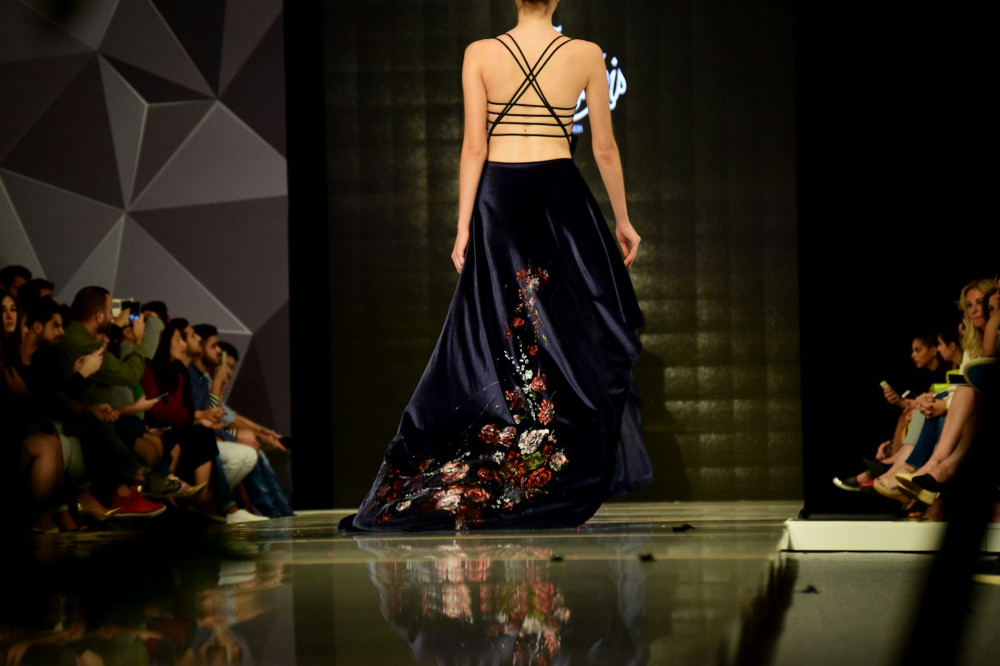
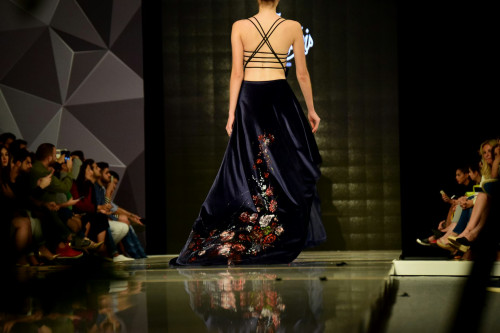
The 1930s brought back a sense of refinement after the carefree 1920s. Dresses lengthened again, and the waistline reappeared as a focal point. Bias cuts and soft draping created a graceful, body-skimming silhouette. Satin, crepe, and silk lent a luxurious sheen, while Hollywood’s golden age inspired women across America to emulate the glamour of silver-screen icons. Evening gowns with open backs and flowing skirts became symbols of sophistication.
The 1940s – Functionality in Wartime
World War II reshaped fashion as fabric rationing and practicality took precedence. Dresses were simpler, often knee-length with structured shoulders and A-line skirts. Many women sewed their own clothes using whatever materials were available—cotton, wool, or even repurposed fabrics. Despite restrictions, women maintained a sense of style through small details like belts, buttons, and brooches. Utility met elegance in a uniquely resilient way.
The 1950s – Hourglass Glamour and Romantic Revival
Postwar optimism brought a return to extravagance. Christian Dior’s “New Look,” introduced in 1947, defined the decade with cinched waists, full skirts, and soft femininity. Dresses were made from cotton, taffeta, and tulle, often worn with petticoats for added volume. Pastel colors, floral prints, and delicate embellishments reflected a renewed celebration of womanhood. The 1950s dress was both domestic and dreamy—a symbol of prosperity and poise.
The 1960s – Youthquake and the Mini Revolution
The 1960s ushered in a cultural revolution led by youth. Hemlines rose dramatically as the mini dress became a symbol of liberation. Designers like Mary Quant popularized bold, geometric shapes and bright colors. Synthetic fabrics such as polyester and nylon allowed for new textures and easy-care garments. The look was fresh, fun, and fearless—perfect for a generation redefining what it meant to be modern.
The 1970s – Bohemian Flow and Natural Fabrics
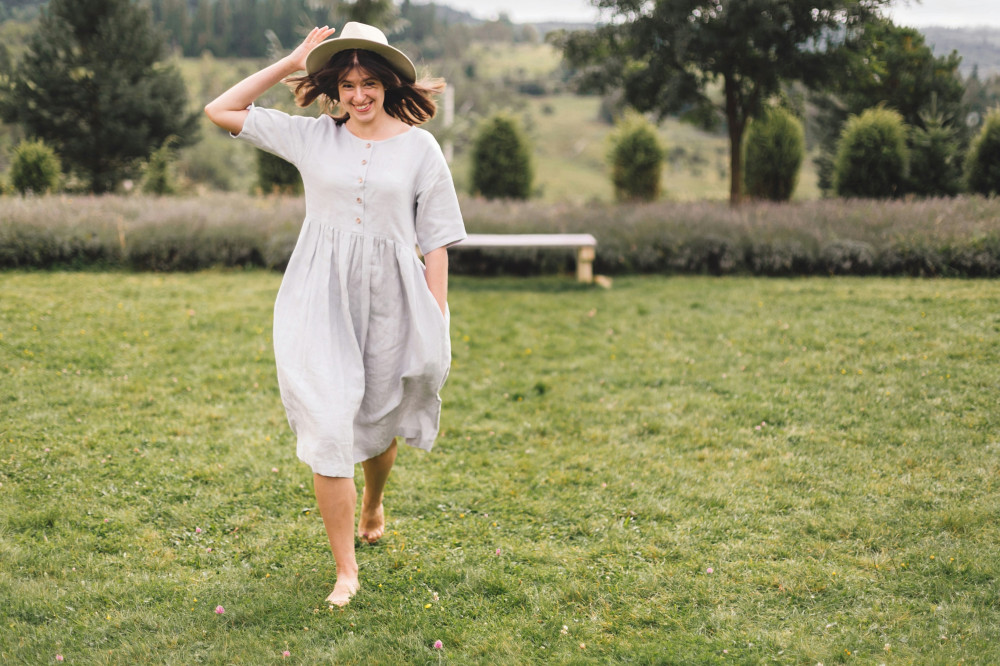
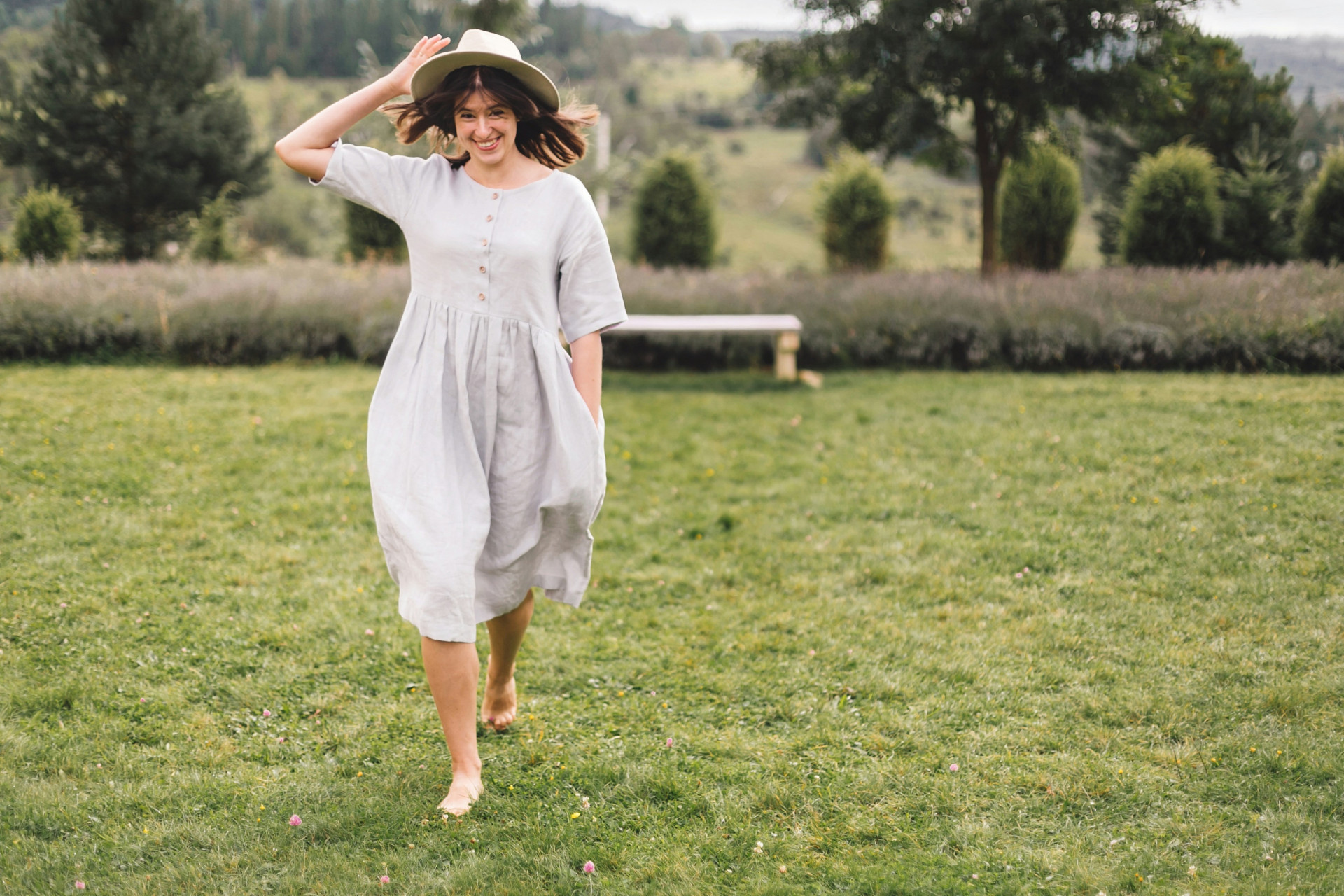
The 1970s embraced individuality and freedom, inspired by the counterculture and hippie movements. Maxi dresses, peasant blouses, and flowing silhouettes dominated. Natural materials like cotton, linen, and suede replaced synthetics, while embroidery, patchwork, and ethnic prints added personality. The boho aesthetic celebrated creativity and comfort, and vintage shopping began to gain popularity as a way to express personal style.
Læs også:

The 1980s – Power Dressing and Bold Contrasts
The 1980s were all about confidence and excess. Women entered the corporate world in greater numbers, and fashion reflected their ambition. Dresses featured strong shoulders, defined waists, and bold colors. Fabrics ranged from wool and cotton to shimmering synthetics. At night, sequins, metallics, and dramatic silhouettes took over the dance floor. The decade’s motto: the bigger, the better.
The 1990s – Minimalism and Grunge
After the extravagance of the 1980s, the 1990s favored simplicity. Slip dresses in satin or silk, often worn with barely-there straps, became iconic. Neutral tones and clean lines defined the minimalist look. At the same time, grunge culture brought a rebellious edge—floral vintage dresses paired with combat boots and flannel shirts. The mix of high and low, polished and undone, captured the decade’s spirit of authenticity.
The 2000s and Beyond – Retro Revival and Sustainable Style
In the 21st century, fashion has become a blend of nostalgia and innovation. Vintage pieces from past decades are treasured again, often mixed with modern elements. Sustainability has taken center stage, with an emphasis on natural fibers, upcycling, and slow fashion. Today’s dresses reflect individuality and consciousness—each choice a nod to both personal taste and environmental awareness.
The Dress as a Mirror of Its Time
Looking back, it’s clear that fashion is never just about aesthetics. Every shift in cut, length, and fabric tells a story about women’s lives, cultural values, and social change. From the liberation of the 1920s to today’s focus on sustainability, the dress remains a timeless symbol of identity, expression, and evolution.
Læs også: