Earrings as Symbols: From Signs of Maturity to Expressions of Status


Earrings as Symbols: From Signs of Maturity to Expressions of Status
Earrings have long been more than simple adornments. These small pieces of jewelry, now available in countless shapes and materials, have carried deep cultural, social, and personal meanings throughout history. From marking the passage into adulthood to signaling wealth, faith, or belonging, earrings have reflected the values and ideals of their time.
From Ritual to Identity
The earliest known earrings date back thousands of years, with examples found in ancient Mesopotamia and Egypt. Both men and women wore them as part of religious and social rituals. In many cultures, ear piercing marked a rite of passage—a visible sign that one had entered a new stage of life.
Across parts of Africa, Asia, and the Americas, earrings symbolized maturity and community. The act of piercing itself often carried ceremonial significance, representing courage, purity, or readiness for adult responsibilities. The jewelry was not merely decorative; it was a visible marker of identity and belonging.
Status and Power in Antiquity
In ancient Greece and Rome, earrings became symbols of status and refinement. The wealthiest citizens wore gold earrings adorned with gemstones, while certain designs indicated marital or social standing. For men, earrings could signal military rank or membership in specific groups.
Earrings also served as protective charms. Many believed that particular metals or stones could ward off illness or evil spirits. Thus, earrings held both aesthetic and spiritual value—objects of beauty that also carried the promise of protection.
Shifting Ideals in the Middle Ages and Renaissance
During the European Middle Ages, earrings nearly disappeared from fashion. Heavy headwear and high collars made them impractical, and the Church often discouraged body adornment. Yet by the Renaissance, earrings returned as symbols of elegance and sophistication.
Portraits from the 16th and 17th centuries show noblewomen wearing elaborate pearl and diamond earrings, emphasizing wealth and grace. For men, earrings became a daring statement—favored by sailors, artists, and adventurers who used them to express individuality and defiance of convention.
From Rebellion to Fashion Icon
In the 20th century, earrings took on new meanings tied to identity and self-expression. In the 1960s and 1970s, they became part of youth rebellion and countercultural movements. For men especially, wearing an earring challenged traditional gender norms and signaled independence from mainstream expectations.
By the late 20th century, earrings had become a staple of everyday fashion. Designers experimented with bold shapes, unconventional materials, and asymmetrical styles. What once symbolized rebellion evolved into a versatile accessory—an extension of personal style and creativity.
Læs også:

Symbolism in Contemporary Jewelry Culture
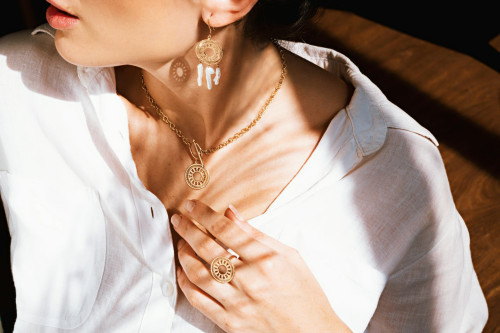
Today, Americans wear earrings for many reasons: as fashion statements, as sentimental keepsakes, or as expressions of identity. For some, earrings remain tied to tradition and heritage; for others, they represent freedom, individuality, or even activism.
Earrings are often given to mark life’s milestones—birthdays, graduations, weddings—and serve as symbols of love, connection, and transformation. Increasingly, they also reflect social awareness: choices of ethically sourced materials or handcrafted designs can signal values of sustainability and authenticity.
A Small Object with Great Meaning
Though earrings are now seen as everyday accessories, they still carry layers of history and symbolism. They tell stories about culture, gender, status, and self-understanding—about how something so small can hold so much meaning.
From ancient rituals to modern runways, earrings have remained a timeless expression of who we are and how we wish to be seen. They continue to embody both change and continuity—a piece of jewelry that accompanies humanity through every stage of life.
Læs også: