When Fashion Meets Technology: How the Beauty Trends of the Future Are Taking Shape
When Fashion Meets Technology: How the Beauty Trends of the Future Are Taking Shape
Fashion and technology have always influenced each other, but in recent years, the boundaries between the two have begun to blur like never before. From smart fabrics and 3D-printed accessories to algorithms that predict next season’s color palette, the beauty and fashion industries are in the midst of a digital revolution. The future of beauty is no longer just about appearance—it’s about data, sustainability, and personalization.
Beauty in the Digital Age
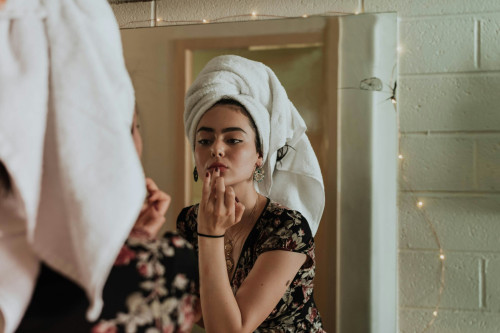
Digital tools have transformed how we understand and express beauty. Social media filters and virtual try-ons allow people to experiment with their looks without making permanent changes, while artificial intelligence helps both consumers and brands find what truly fits each individual.
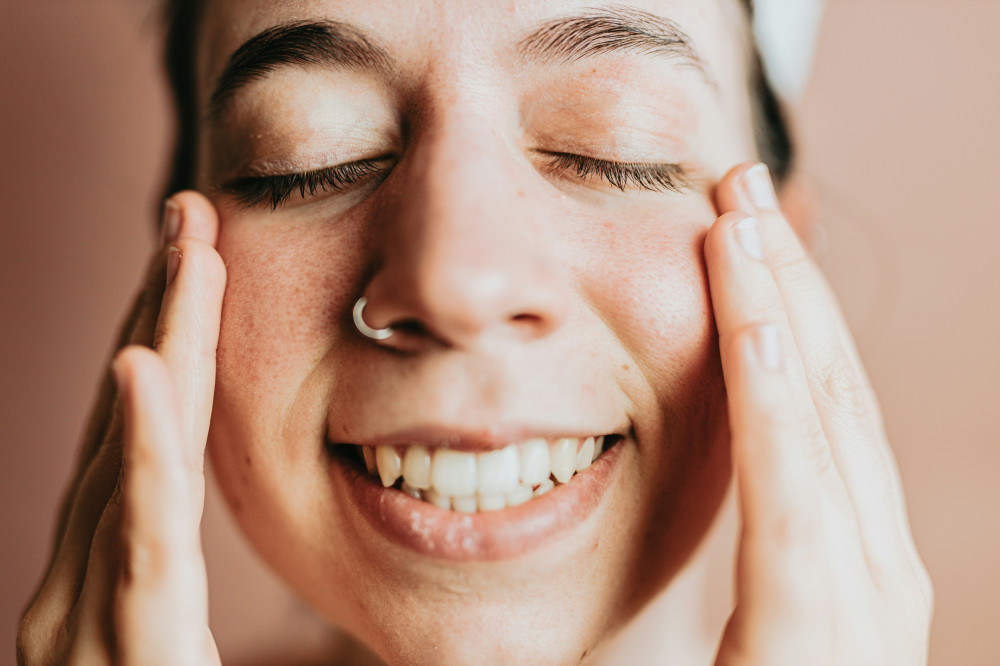
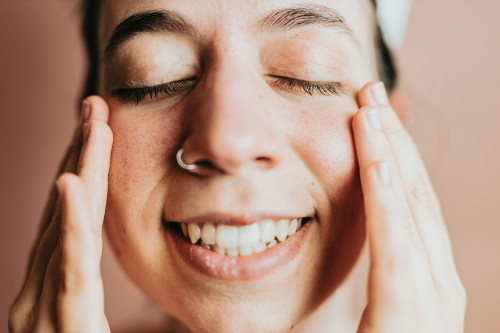
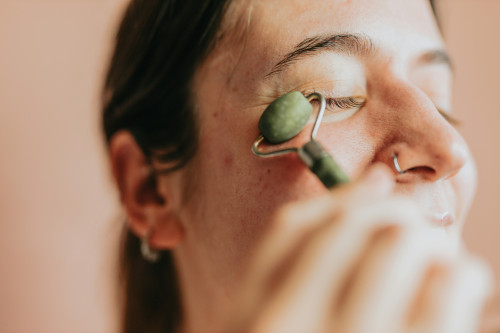
Many skincare companies now offer AI-powered skin analysis, where an app scans your face and recommends products based on hydration, pigmentation, and texture. This makes beauty routines more personal and effective—and gives consumers a sense of having a routine designed just for them.
Sustainability Through Innovation
Technology is also driving the sustainability movement in fashion and beauty. New materials that are biodegradable or produced with minimal environmental impact are gaining traction. At the same time, digital production methods like 3D printing and on-demand design help reduce waste and overproduction.
In the beauty industry, similar trends are emerging: refillable packaging, precision dispensing, and digital tutorials that reduce the need for physical samples. The combination of technology and responsibility is becoming a new ideal—where innovation isn’t just about creating more, but about creating better.
Virtual Fashion and Augmented Beauty
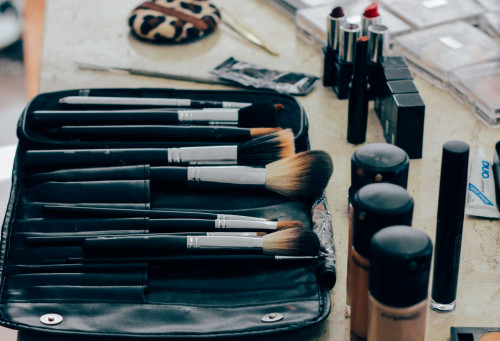
One of the most striking developments is the rise of virtual fashion and augmented reality (AR). Today, you can try on clothes, makeup, and hairstyles digitally before making a purchase. It saves time, reduces returns, and makes personal style more playful and experimental.
Several fashion houses are even creating digital-only collections designed for virtual worlds or social media. This challenges our understanding of what fashion and beauty really are: does a piece of jewelry need to exist physically to have value?
Data as the New Designer
Behind many of these innovations lies a vast amount of data. Algorithms analyze consumer behavior, preferences, and cultural trends to predict what will be popular next season. This allows designers and brands to respond faster—and to create products that resonate more precisely with their audiences.
But it also raises questions about authenticity and creativity. When data becomes part of the design process, there’s a risk that everything starts to look the same. That’s why the future of fashion and beauty isn’t just about what technology can do—it’s also about preserving the human touch: intuition, craftsmanship, and storytelling.
Læs også:
The Future of Beauty: Between Body and Code
When fashion meets technology, a new space emerges—one where beauty is no longer static but dynamic and interactive. We’re moving toward a time when clothing can monitor our health, makeup can adapt to the lighting around us, and digital identities can be as meaningful as physical ones.
The beauty trends of the future are taking shape at the intersection of body and code—between what we can see and what we can program. And perhaps that’s where the next great aesthetic will be born: in the meeting of human creativity and technological precision.
Læs også: