Real or Synthetic? How to Tell the Difference Between Slipper Materials

Real or Synthetic? How to Tell the Difference Between Slipper Materials
When you slip into a pair of cozy slippers, comfort isn’t the only thing that matters — the material makes all the difference for warmth, durability, and even sustainability. But how can you tell if your slippers are made from genuine wool or leather, or if they’re synthetic imitations? In a market full of “eco-friendly” and “natural” claims, it can be tricky to know what you’re really buying. Here’s a guide to help you spot the difference between real and synthetic slipper materials — and choose what’s best for your feet and your lifestyle.
Wool, Felt, and Fleece – Nature vs. Synthetic
Wool is a classic slipper material, prized for its ability to regulate temperature and wick away moisture. Real wool feels soft but slightly textured, with a natural elasticity and a faint lanolin scent. When you rub it between your fingers, it feels springy and alive.
Synthetic fleece or acrylic felt can look similar but usually feels smoother and more uniform. It lacks the natural stretch of wool and can feel a bit “plastic.” If you can safely test a small fiber, real wool smells like burnt hair when singed, while synthetic fibers smell like melting plastic and form a hard bead.
Læs også:


Leather or Faux Leather?
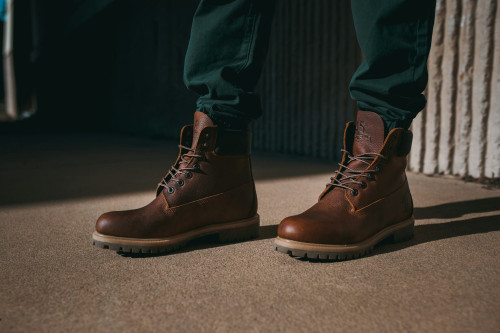
Leather gives slippers a premium look and molds to your feet over time. Genuine leather has small irregularities — pores, grain variations, and subtle color shifts — that make each pair unique. When you press it, it yields slightly and then returns to shape.
Faux leather, often made from polyurethane (PU) or polyvinyl chloride (PVC), has a more uniform surface and a smoother, sometimes rubbery feel. The smell is a giveaway: real leather has a rich, natural scent, while faux leather often smells chemical or plasticky.
Soles and Linings – Where Comfort Counts
The sole of a slipper can be made from natural rubber, cork, or synthetic foam. Natural rubber is flexible, has a mild latex scent, and provides good traction on floors. Synthetic soles made from EVA or plastic are lighter and cheaper but may wear down faster and become slippery over time.
The lining is just as important. Genuine shearling or sheepskin feels warm, breathable, and moisture-wicking, while synthetic linings can trap heat and feel damp after extended wear. If you want slippers that keep your feet dry and comfortable year-round, natural materials are often the better choice.
Sustainability and Longevity – Thinking Beyond the Price Tag
While synthetic materials are usually more affordable, they tend to have a shorter lifespan and a higher environmental impact. They don’t biodegrade easily and can shed microplastics during use. Natural materials like wool, leather, and cork are biodegradable and can often be repaired or recycled.
That doesn’t mean you always have to buy the most expensive pair. Many brands now blend natural and synthetic materials to balance cost, comfort, and sustainability. The key is to understand what you’re buying — and make a conscious choice.
How to Check Materials Before You Buy
- Read the label carefully. U.S. footwear labels must list the main materials used. Look for terms like “genuine leather,” “wool,” or “synthetic.”
- Use your senses. Feel the texture, look at the surface, and notice the smell — natural materials rarely look or feel perfectly uniform.
- Ask the retailer. Reputable stores can tell you where materials come from and how they’re processed.
- Consider your use. For everyday wear, durability matters. For occasional use, lightweight synthetic slippers may be perfectly fine.
More Than Just Looks
Choosing between real and synthetic materials isn’t only about style — it’s about comfort, health, and environmental impact. Natural materials often breathe better and last longer, while synthetics can be easier to clean and more budget-friendly. By learning to tell the difference, you can pick slippers that fit both your feet and your values.
Læs også: