Hip Focus: How Pant Details Affect the Silhouette

Hip Focus: How Pant Details Affect the Silhouette
When choosing pants, most of us think about fit and comfort—but the small design details often have the biggest impact on how our bodies look in motion. Seams, pockets, waistlines, and fabrics all shape the visual balance of the silhouette, highlighting or softening the hips. In this article, we’ll explore how thoughtful choices in pant details can help you create the shape and style you want.
The Waistline – High, Mid, or Low
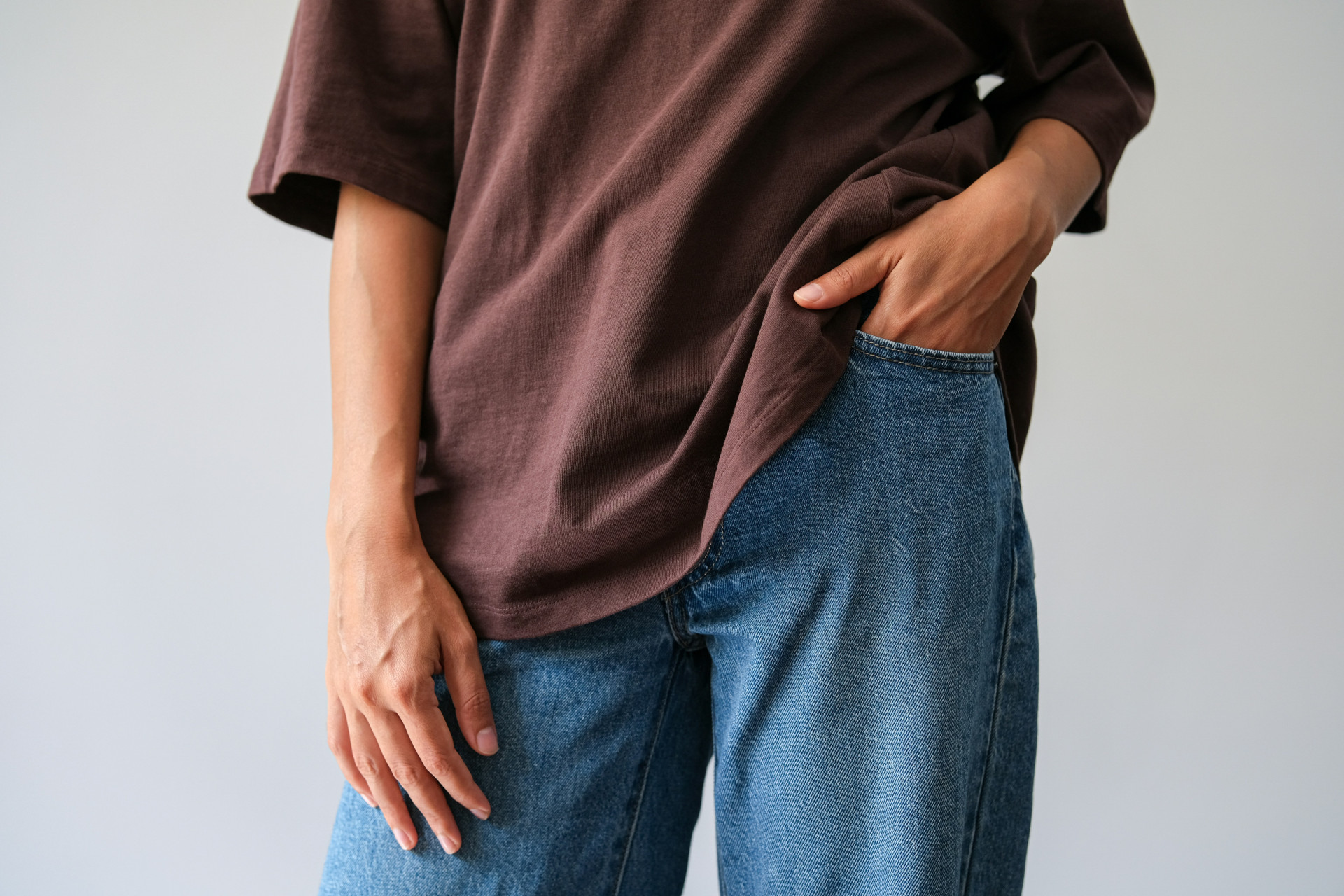
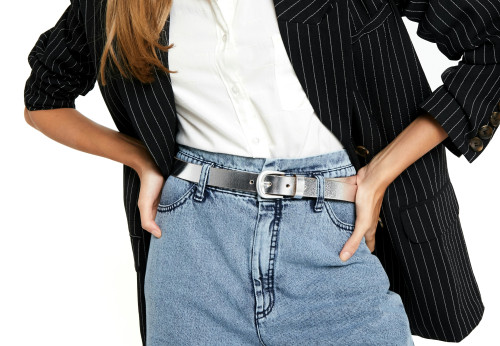
The waistband is one of the most defining features when it comes to how the hips appear. A high-rise waist elongates the legs and draws attention to the narrowest part of the torso, creating a classic, hourglass effect. It’s a flattering choice for many body types and pairs well with tucked-in tops or cropped jackets.
A low-rise waist, on the other hand, emphasizes the hips and gives off a relaxed, early-2000s vibe. It can make the hips look wider, especially in fitted styles, but it’s great for casual, laid-back outfits. A mid-rise waist offers the best of both worlds—comfortable, balanced, and easy to style with almost any top length.
Pocket Placement and Shape
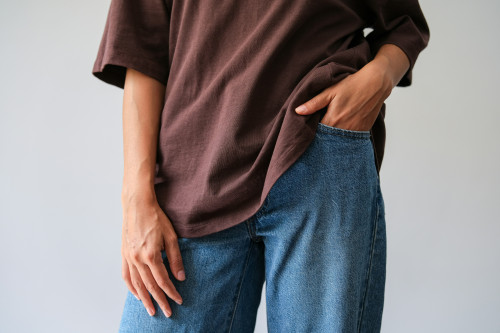
Back pockets play a surprisingly big role in how the hips and seat are perceived. Smaller, higher-set pockets can make the backside look lifted and rounder, while larger, lower pockets create a more relaxed, flattened appearance.
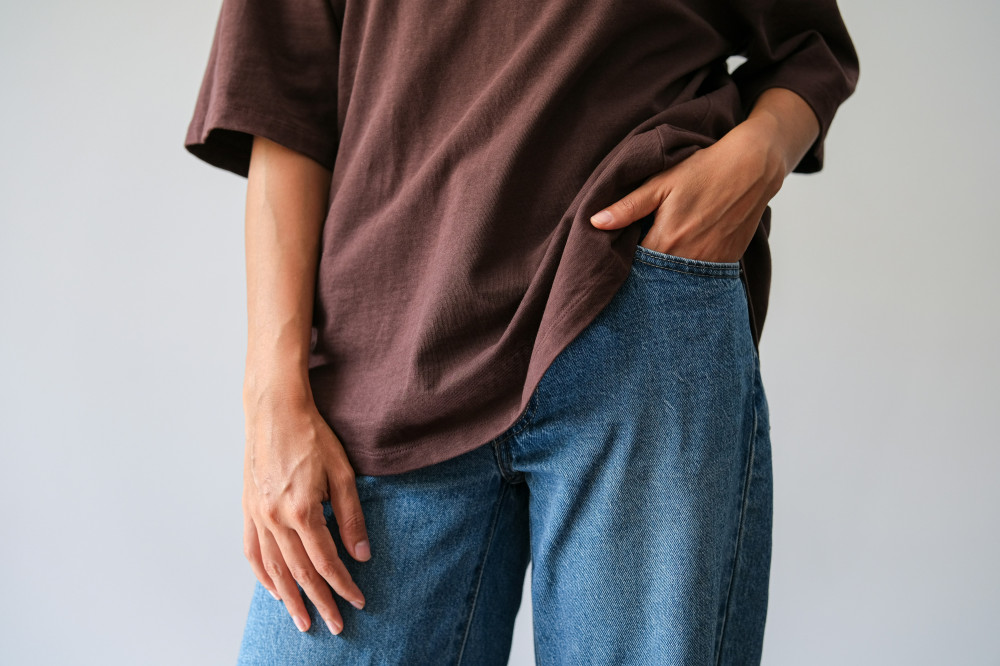
Angled or embellished pockets draw the eye outward, adding width to the hip area, while simple, vertical pockets have a slimming effect. If you prefer to downplay your hips, go for pants with minimal pocket detailing and stitching that blends with the fabric.
Seams and Lines – The Hidden Shapers
Seams act as visual guides for the eye. Vertical seams—like front creases or straight side seams—create a longer, leaner look. Horizontal details, such as wide waistbands or decorative stitching across the hips, can make the area appear broader.
Look for pants where the seams follow the body’s natural curves. This not only enhances comfort and movement but also creates a smooth, flattering silhouette that feels effortless.
Fabric and Texture – More Than Just Comfort
Fabric choice has a major influence on how the hips are defined. Structured materials like denim, twill, or ponte knit hold their shape and give a more sculpted outline. Soft, drapey fabrics like jersey, viscose, or lightweight wool move with the body, creating a fluid, natural fall.
Color and texture matter too: Darker shades tend to slim and streamline, while lighter tones and shiny finishes highlight curves. To balance proportions, try pairing dark pants with a lighter or patterned top—this draws the eye upward and creates harmony in your overall look.
The Finishing Touches
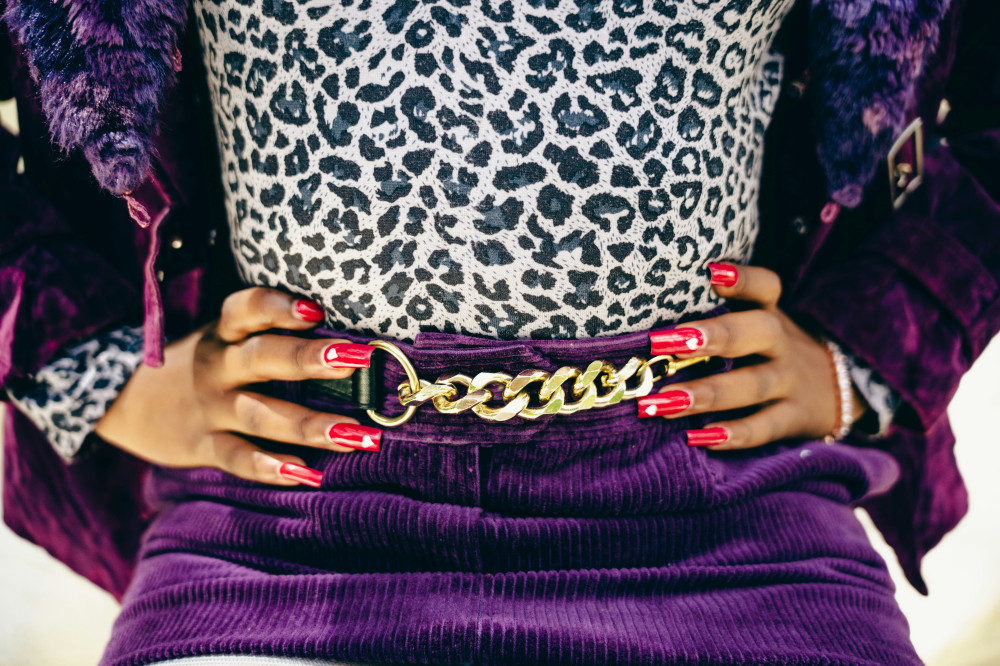
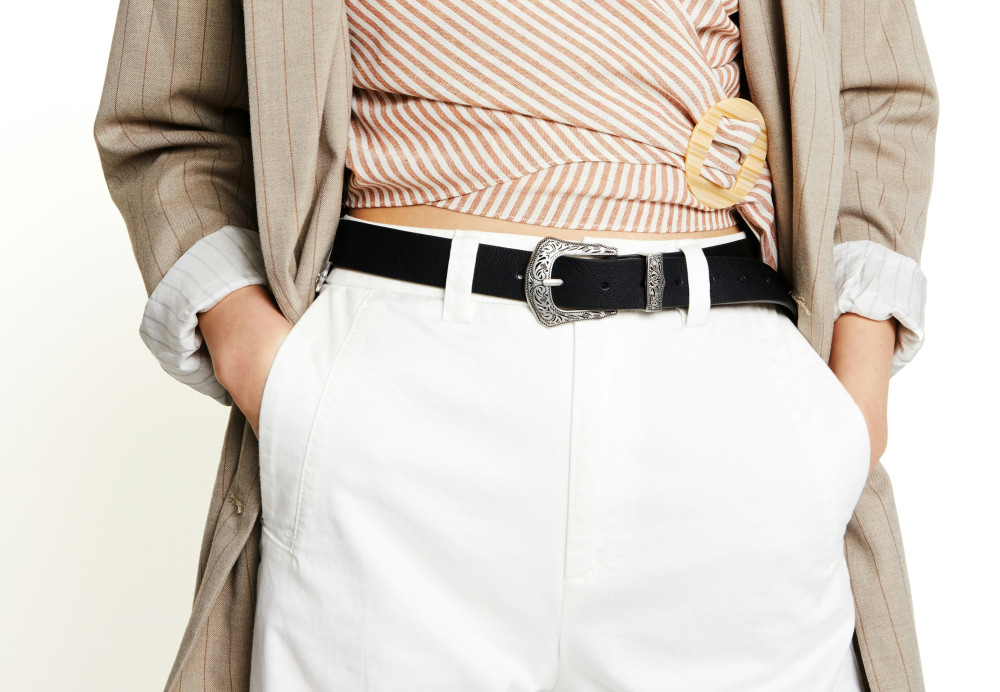
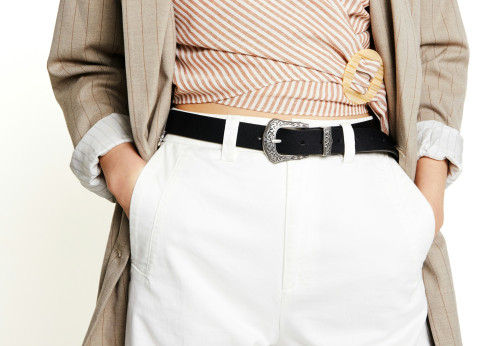
Small details like belts, buttons, and zippers can subtly shift where attention lands. A belt in a contrasting color emphasizes the waist, while one that matches the pants keeps the look continuous. Decorative buttons or visible zippers can add personality, but use them strategically if you’d rather not draw focus to the hip area.
Læs også:
Finding Your Balance
There’s no single “right” way to dress your hips—it’s all about understanding how design elements work together. By paying attention to lines, pockets, and fabrics, you can choose pants that complement your body shape and express your personal style.
Whether you want to accentuate your curves or create a more balanced silhouette, the key is harmony: how your pants interact with the rest of your outfit and how confident you feel wearing them. When your clothes fit well and feel good, your silhouette naturally looks its best.
Læs også: