From Trench Coat to Bomber Jacket: The Story Behind the Iconic Design Features of Jackets


From Trench Coat to Bomber Jacket: The Story Behind the Iconic Design Features of Jackets
Jackets are more than just outerwear – they’re snapshots of history, culture, and innovation. From the trench coat’s military precision to the bomber jacket’s rebellious energy, each design tells a story about the era and purpose it was born from. Today, these classic silhouettes remain wardrobe staples, their details still echoing their original functions. Let’s explore the origins of some of the most iconic jackets and how they’ve evolved into timeless fashion statements.
The Trench Coat – From Battlefield to Boardwalk
The trench coat was developed during World War I for British officers who needed a lightweight, weather-resistant alternative to heavy wool coats. Its name comes directly from the trenches where soldiers endured rain, mud, and cold. Every feature had a purpose: shoulder straps for epaulettes or gear, a belted waist for a snug fit, and a double-breasted front for extra protection against the elements.
After the war, the trench coat transitioned from military uniform to civilian fashion. Hollywood helped cement its mystique – think of the classic film noir detectives and leading men of the 1940s and 50s. In the U.S., it became a symbol of sophistication and intrigue. Today, the trench coat remains a go-to for both men and women, reimagined in lighter fabrics and modern cuts but still carrying that aura of timeless elegance.
The Bomber Jacket – From Cockpit to Street Style
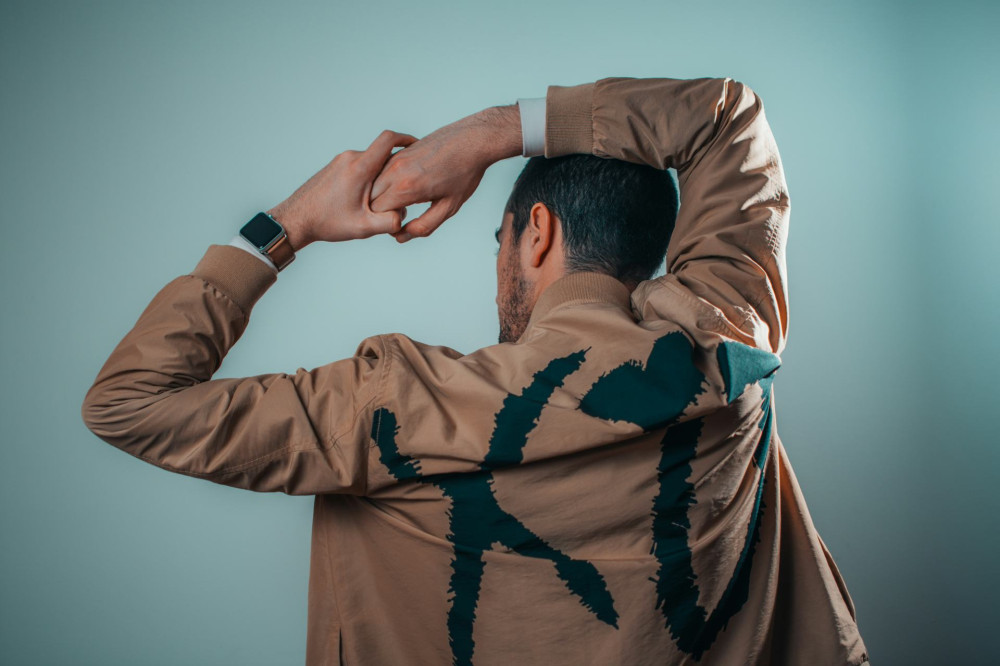
Originally known as the “flight jacket,” the bomber jacket was designed for American Air Force pilots during World War II. Early versions were made of leather, later replaced by nylon for better mobility and warmth at high altitudes. The ribbed cuffs and waistband kept cold air out, while the cropped fit allowed pilots to move freely in tight cockpits.
By the 1950s and 60s, surplus bomber jackets found their way into civilian wardrobes. In the U.S., they became a symbol of youthful rebellion, worn by everyone from college students to rock musicians. The 1980s and 90s saw the bomber adopted by hip-hop culture and streetwear, solidifying its place as a fashion icon. Today, it’s a versatile piece that bridges military heritage and modern cool.
Læs også:



The Parka – Arctic Roots and Urban Cool
The parka’s story begins with the Inuit people, who crafted fur-lined anoraks to survive the Arctic cold. The U.S. military adapted the design in the 1950s, creating the M-51 fishtail parka for soldiers stationed in frigid climates. Its long length, hood with fur trim, and large pockets made it both practical and protective.
In the decades that followed, the parka became a favorite among American college students and outdoor enthusiasts. Its rugged functionality and casual style made it perfect for cold winters from Alaska to New York. Today, the parka remains a winter essential, blending technical performance with urban appeal.
The Denim Jacket – American Workwear with Attitude
Few garments are as distinctly American as the denim jacket. Introduced in the late 19th century by Levi Strauss & Co., it was designed for miners, ranchers, and railroad workers who needed durable clothing for tough jobs. The sturdy denim fabric and reinforced seams made it nearly indestructible.
By the mid-20th century, the denim jacket had evolved from workwear to a symbol of rebellion. Hollywood icons like James Dean and Marlon Brando turned it into a statement of youthful defiance. From the counterculture of the 1960s to today’s fashion runways, the denim jacket has remained a symbol of individuality and effortless style.
From Function to Fashion
What unites these iconic jackets is their shared origin in function. Each was created to meet a specific need – protection from rain, cold, or wind – yet over time, they’ve become expressions of identity and culture. Whether it’s the sharp lines of a trench coat or the relaxed edge of a bomber, these designs remind us that fashion often begins with purpose.
So the next time you slip on your favorite jacket, remember: you’re not just wearing a piece of clothing. You’re wearing a piece of history – a story of innovation, resilience, and style that continues to evolve with every generation.
Læs også: